
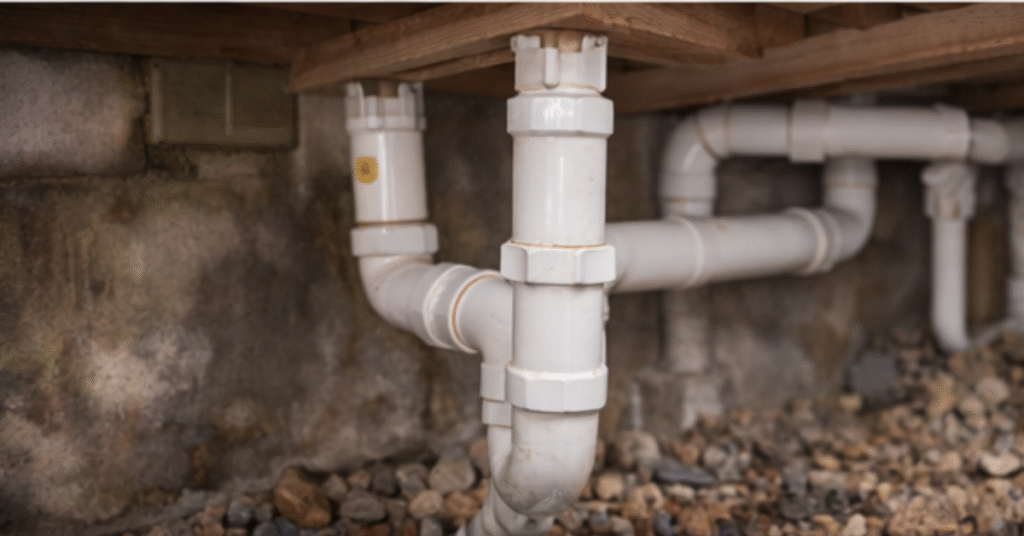
Seattle homeowners know the drill: November and December bring relentless rain, wind, and unpredictable storms. While the Pacific Northwest climate keeps our city lush and green, it can also wreak havoc on household plumbing systems. If you’ve noticed sewer odor in your home or slow drains after a storm, don’t ignore it — these can be early signs of major plumbing issues that require urgent attention.
In this guide, we’ll cover why these symptoms appear, how to safely troubleshoot them, and when it’s time to call Einstein Pros — Seattle Plumbing Experts for professional help.
Why Storms Trigger Sewer Odors and Slow Drains
During and after Seattle’s heavy winter rains, the city’s drainage and sewer systems are under immense pressure. According to Seattle Public Utilities, excess stormwater can enter aging sewer lines, leading to temporary overloads, backups, and pressure imbalances. When that happens, you may notice gurgling drains, foul odors, or water pooling where it shouldn’t.
1. Overwhelmed Main Sewer Lines
If your home is connected to a combined sewer (where stormwater and wastewater share the same line), heavy rainfall can cause system backups. The result: gases push up through your drains, creating that unmistakable rotten-egg or musty sewer smell.
2. Blocked or Saturated Drain Field
For homes with septic systems in the greater Seattle area, saturated soil prevents proper drainage. When the system can’t release water efficiently, it forces odors and waste gases back up through pipes.
3. Clogged Vent Pipes
Roof vents balance air pressure in your plumbing system. During a storm, debris like wet leaves or ice can block them. Without ventilation, wastewater can’t flow freely — leading to slow drains and bad smells inside your home.
Emergency Diagnostics You Can Do Safely
While certain plumbing issues should always be handled by a professional, there are a few safe steps you can take to identify the source of the odor or drainage issue.
1. Identify Where the Odor Is Strongest
Is it coming from a specific drain (like a shower, basement floor drain, or laundry sink)? That can help pinpoint whether the issue is localized or connected to your main sewer line.
- Single drain: Usually a clog or dry trap.
- Multiple drains: Likely a main sewer line issue.
2. Check for Standing Water or Gurgling Sounds
Gurgling from toilets or drains means trapped air — a red flag that water is struggling to move through the system. According to the U.S. Environmental Protection Agency (EPA), gurgling can also indicate a blockage or improper venting.
3. Inspect the Floor Drains
Basement or garage drains are designed to keep sewer gases out using a “trap seal” — a small amount of standing water that blocks odors. If a drain hasn’t been used recently, the seal can dry up. Pouring a quart of water down each floor drain may temporarily stop the odor.
4. Examine Outdoor Downspouts and Gutters
Blocked gutters or disconnected downspouts can flood the soil around your foundation, forcing excess water into side sewer lines. Keeping these clear reduces stress on your system.
When to Call an Emergency Plumber
If the smell is strong, persistent, or accompanied by slow drains in multiple fixtures, it’s time to contact a professional plumber immediately. Sewer gases contain methane and hydrogen sulfide — both hazardous if inhaled over time.
Call Einstein Pros — Seattle right away if you notice:
- Sewer odor coming from more than one room
- Drains backing up during or after rainfall
- Water pooling around basement floor drains
- Persistent gurgling sounds in pipes
- Slow drainage across multiple fixtures
Our licensed team provides 24/7 emergency plumbing service across the Seattle area. We use advanced diagnostics like camera inspections and hydro jetting to locate and remove blockages safely — without unnecessary excavation.
Preventing Sewer Odors After Heavy Rain
Proactive maintenance goes a long way toward preventing future emergencies. Here’s how to storm-proof your plumbing system before the next downpour hits:
- Schedule annual drain cleaning to remove buildup before winter.
- Inspect and clear roof vents before freezing weather sets in.
- Install a backwater valve to prevent city sewer water from entering your home.
- Check your sump pump regularly for function — especially before a major storm.
- Avoid pouring grease or wipes down drains, as these create blockages that worsen during heavy rain.
For more homeowner resources, Seattle Public Utilities offers a Flooding & Drainage Guide that explains how to protect your property from storm-related backups.
Why Choose Einstein Pros — Seattle
Einstein Pros has proudly served the Seattle metro area for over two decades, providing trusted, transparent, and efficient plumbing solutions. From emergency sewer line repairs to preventive maintenance, we handle all issues with a customer-first approach.
When you work with us, you get:
- Licensed, insured Seattle plumbers
- Upfront, transparent pricing
- 24/7 emergency service availability
- Modern diagnostic tools (camera inspection, leak detection)
- Locally based technicians familiar with Seattle’s unique stormwater systems
Learn more or schedule service at Einstein Pros — Seattle Plumbing.
Final Thoughts
Seattle’s storm season can test even the most resilient plumbing systems. Sewer odors and slow drains aren’t just unpleasant — they’re warnings of a deeper issue that could lead to flooding or health risks if ignored.
If your drains are slow or your home smells of sewage after heavy rain, don’t wait for the problem to worsen. Perform basic diagnostics, but contact a trusted professional for a complete inspection.
Einstein Pros — Seattle is ready 24/7 to restore your system’s safety, efficiency, and comfort — no matter how bad the weather gets.