
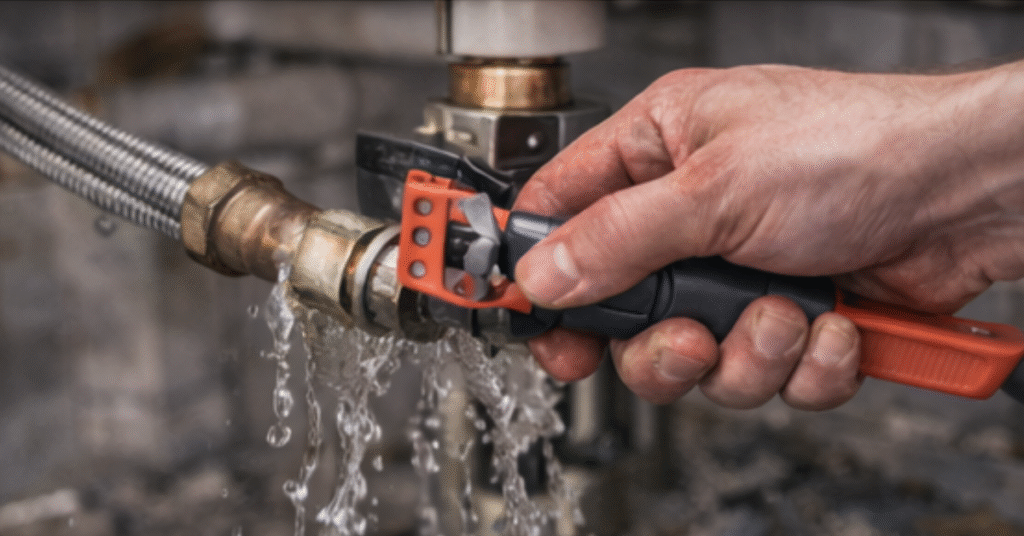
Seattle winters are known for damp cold, fluctuating temperatures, and occasional deep freezes. While the region doesn’t experience prolonged subzero weather, even short cold snaps can cause serious plumbing problems—especially frozen or burst pipes. For homeowners, preventing frozen pipes is far easier and far less expensive than dealing with emergency water damage.
This guide explains why frozen pipes are a risk in Seattle, which areas of your home are most vulnerable, and what practical steps you can take to protect your plumbing this winter, using guidance supported by trusted, high-authority sources.
Why Frozen Pipes Are a Risk in Seattle
Frozen pipes occur when water inside the pipe drops below freezing and expands. This expansion increases pressure inside the pipe, often causing cracks or bursts. According to the Federal Emergency Management Agency (FEMA), frozen pipes are one of the most common causes of winter water damage in U.S. homes
🔗 https://www.ready.gov/winter-weather
Seattle’s maritime climate creates a unique challenge. Temperatures often hover around freezing, which increases the freeze-thaw cycle. This repeated expansion and contraction weakens pipes over time, especially in older homes or those with insufficient insulation.
visit Einstein Pros for plumbing services!
Pipes Most Likely to Freeze
Some areas of your plumbing system are more vulnerable than others. These include:
- Pipes in unheated spaces such as garages, crawl spaces, and basements
- Pipes running along exterior walls
- Outdoor hose bibs and irrigation lines
- Pipes under kitchen and bathroom sinks located on exterior walls
The U.S. Environmental Protection Agency (EPA) notes that exposed or uninsulated pipes are the most common sources of winter plumbing failures
🔗 https://www.epa.gov/watersense/fix-leak-week
visit Einstein Pros for plumbing services!
Keep Your Home Warm—Even When You’re Away
One of the simplest and most effective ways to prevent frozen pipes is maintaining a consistent indoor temperature.
The American Red Cross recommends keeping your thermostat set to at least 55°F at all times, even when you’re away from home
🔗 https://www.redcross.org/get-help/how-to-prepare-for-emergencies/types-of-emergencies/winter-storm.html
Opening interior doors also helps warm air circulate around pipes, especially under sinks and in bathrooms along exterior walls.
visit Einstein Pros for plumbing services!
Insulate Pipes Before Cold Weather Hits
Pipe insulation is one of the best defenses against freezing. Foam pipe sleeves and insulation tape are inexpensive and effective, particularly for pipes in unheated areas.
According to the U.S. Department of Energy, insulating pipes can prevent freezing and also improve energy efficiency by reducing heat loss
🔗 https://www.energy.gov/energysaver/weatherize/insulate-hot-water-pipes
Pay special attention to pipes in crawl spaces, attics, garages, and near foundation walls.
Disconnect and Drain Outdoor Plumbing
Outdoor plumbing is extremely vulnerable during Seattle winters.
Before freezing temperatures arrive:
- Disconnect garden hoses
- Drain outdoor faucets
- Shut off and drain irrigation systems
The Centers for Disease Control and Prevention (CDC) advises properly draining outdoor water systems to prevent pipe freezing and rupture
🔗 https://www.cdc.gov/healthywater/emergency/drinking/extreme-weather.html
If your home has frost-free hose bibs, remember they still require hoses to be disconnected to function properly.
Let Faucets Drip During Cold Snaps
When temperatures drop sharply, allowing faucets to drip slightly can prevent pipes from freezing. Moving water is less likely to freeze, and relieving pressure reduces the chance of pipe failure.
The Insurance Institute for Business & Home Safety (IBHS) confirms that a slow, steady drip can significantly reduce freeze risk during extreme cold
🔗 https://ibhs.org/prevent-hail-damage-and-other-severe-weather/winter-weather/
Focus on faucets connected to pipes running along exterior walls.
Seal Air Leaks Around Pipes
Cold air entering your home can freeze pipes quickly. Inspect areas where pipes pass through walls, floors, or foundations.
Seal gaps with:
- Caulk
- Expanding foam insulation
- Weatherstripping
The U.S. Department of Energy emphasizes air sealing as a critical step in protecting plumbing and reducing winter energy loss
🔗 https://www.energy.gov/energysaver/air-sealing-your-home
Prepare Before Severe Weather Arrives
Preparation is essential. Before winter:
- Locate your main water shutoff valve
- Test it to ensure it works
- Know how to turn it off quickly
If a pipe does freeze or burst, shutting off the water immediately can significantly limit damage. FEMA recommends all homeowners know their shutoff locations before winter storms
🔗 https://www.ready.gov/home-fires
When to Seek Professional Help
If you notice reduced water pressure, frost on exposed pipes, or unusual odors during winter, these may be warning signs of freezing or partial blockage. Addressing these early can prevent extensive damage and costly repairs later.
Final Thoughts
Preventing frozen pipes in Seattle homes is all about preparation, insulation, and awareness. While the region’s winters may seem mild, sudden freezes can cause major plumbing damage when homes are not properly protected. By maintaining indoor heat, insulating vulnerable pipes, sealing air leaks, and following guidance from trusted authorities, homeowners can greatly reduce their risk this winter.
Taking proactive steps now helps protect your home, your plumbing system, and your peace of mind throughout Seattle’s coldest months.
visit Einstein Pros for plumbing services!