
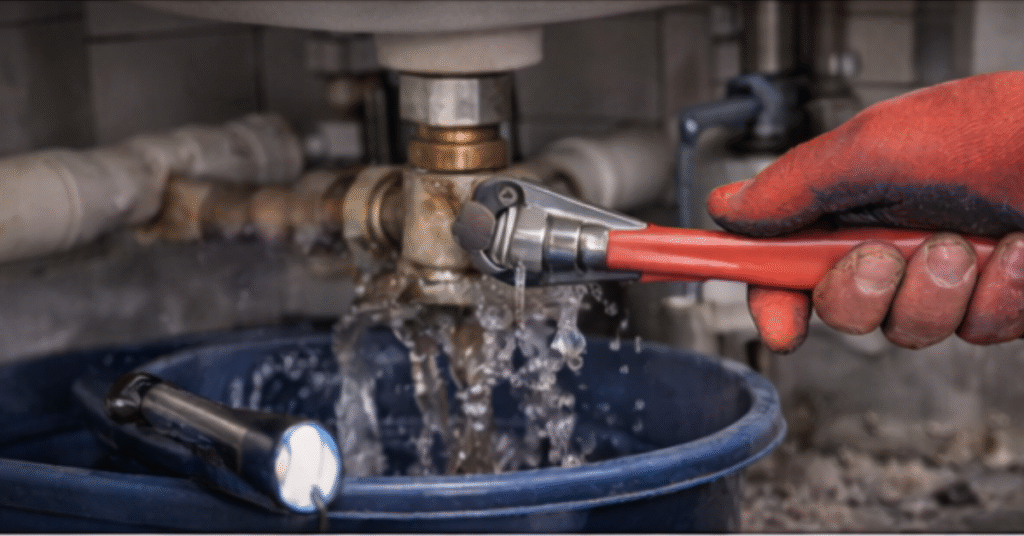
Winter in Seattle may not bring prolonged deep freezes like other parts of the country, but when temperatures dip suddenly, plumbing systems are often caught unprepared. Even a short cold snap can lead to frozen pipes, water damage, and expensive repairs—especially in older homes common throughout the Seattle area.
Preparing your plumbing before the first freeze is one of the smartest steps you can take to protect your home, conserve water, and avoid emergency situations. Below is a comprehensive winter plumbing prep guide designed specifically for Seattle homeowners. Learn more or schedule service by visiting Einstein Pros Seattle Plumbing and take the first step toward a safer, winter-ready home.
Why Seattle Homes Are Vulnerable to Winter Plumbing Issues
Seattle’s mild climate often leads homeowners to underestimate cold-weather plumbing risks. Pipes may be routed through crawl spaces, exterior walls, garages, or basements that lack proper insulation. When temperatures drop quickly, these areas are the first to freeze.
According to the Insurance Institute for Business & Home Safety, freezing is one of the leading causes of residential water damage during winter months, even in moderate climates. Learn more or schedule service by visiting Einstein Pros Seattle Plumbing and take the first step toward a safer, winter-ready home.
Insulate Exposed Pipes Before Temperatures Drop
One of the most effective ways to prevent frozen pipes is proper insulation. Focus on pipes located in:
- Crawl spaces
- Garages
- Exterior walls
- Attics
- Under sinks along exterior walls
Pipe insulation sleeves or heat tape can significantly reduce heat loss. The U.S. Department of Energy confirms that insulating pipes also improves energy efficiency by reducing heat loss from hot water lines
Disconnect and Drain Outdoor Plumbing
Outdoor plumbing components are especially vulnerable to freezing. Before winter arrives:
- Disconnect garden hoses
- Drain hose bibs and outdoor faucets
- Shut off water supply to exterior lines if possible
Leaving hoses connected can trap water inside pipes, increasing the likelihood of freezing and bursting. The Environmental Protection Agency emphasizes proper hose disconnection as a critical winterization step
🔗 https://www.epa.gov/watersense/fix-leak-week
Keep Indoor Temperatures Consistent
Sudden temperature drops inside the home can cause pipes to freeze, even if outdoor temperatures are only slightly below freezing. Keep your thermostat set to at least 55°F, even if you’re away.
The American Red Cross recommends maintaining indoor heat during cold weather to protect plumbing and prevent freeze-related damage
🔗 https://www.redcross.org/get-help/how-to-prepare-for-emergencies/types-of-emergencies/winter-storm.html
Seal Air Leaks Around Pipes
Cold air entering through gaps or cracks can freeze pipes faster than expected. Inspect areas where plumbing enters the home and seal gaps using:
- Caulk
- Spray foam insulation
- Weatherstripping
The U.S. Department of Energy notes that air sealing reduces cold drafts and protects vulnerable systems during winter
🔗 https://www.energy.gov/energysaver/air-sealing-your-home
Let Faucets Drip During Extreme Cold
During particularly cold nights, allowing a slow drip from faucets connected to exterior plumbing can relieve pressure inside pipes and reduce freezing risk.
The Federal Emergency Management Agency (FEMA) advises dripping faucets as a preventative step during freezing conditions
🔗 https://www.ready.gov/winter-weather
Locate and Test Your Main Water Shutoff Valve
Knowing where your main water shutoff valve is—and confirming that it works—can significantly reduce damage if a pipe bursts.
Take time before winter to:
- Locate the valve
- Ensure it turns easily
- Label it clearly
The American Society of Home Inspectors highlights this step as critical for minimizing water damage during plumbing emergencies
Prepare Plumbing Before Travel or Vacations
Seattle homeowners often travel during the winter holidays. Before leaving:
- Set the thermostat above 55°F
- Shut off water if possible
- Open cabinet doors under sinks to allow warm air circulation
The Consumer Product Safety Commission recommends taking these precautions to prevent winter-related water damage.
Schedule a Professional Winter Plumbing Inspection
A proactive inspection before freezing weather arrives can identify vulnerabilities you might miss—such as aging pipes, poor insulation, or minor leaks that worsen in cold weather.
According to Angi, preventative plumbing maintenance is significantly less expensive than emergency repairs caused by frozen or burst pipes
🔗 https://www.angi.com/articles/winter-plumbing-tips.htm
Trust Einstein Pros Seattle for Winter Plumbing Protection
Preparing your plumbing before Seattle’s first freeze is far easier—and far less expensive—than dealing with emergency repairs in the middle of winter. If you want peace of mind knowing your home is properly protected, the experienced team at Einstein Pros Seattle is here to help. From winter plumbing inspections to pipe insulation and preventative maintenance, their local expertise ensures your plumbing system is ready for cold weather. Learn more or schedule service by visiting Einstein Pros Seattle Plumbing and take the first step toward a safer, winter-ready home.
Final Thoughts: Winter Prep Saves Time, Money, and Stress
Seattle winters may be unpredictable, but your plumbing doesn’t have to be. Preparing your system before freezing temperatures arrive can prevent costly repairs, water damage, and emergency disruptions.
By insulating pipes, sealing drafts, protecting outdoor fixtures, and maintaining indoor heat, homeowners can confidently face winter weather knowing their plumbing system is ready.
Taking action early is the key to a stress-free winter—and your home will thank you for it.