
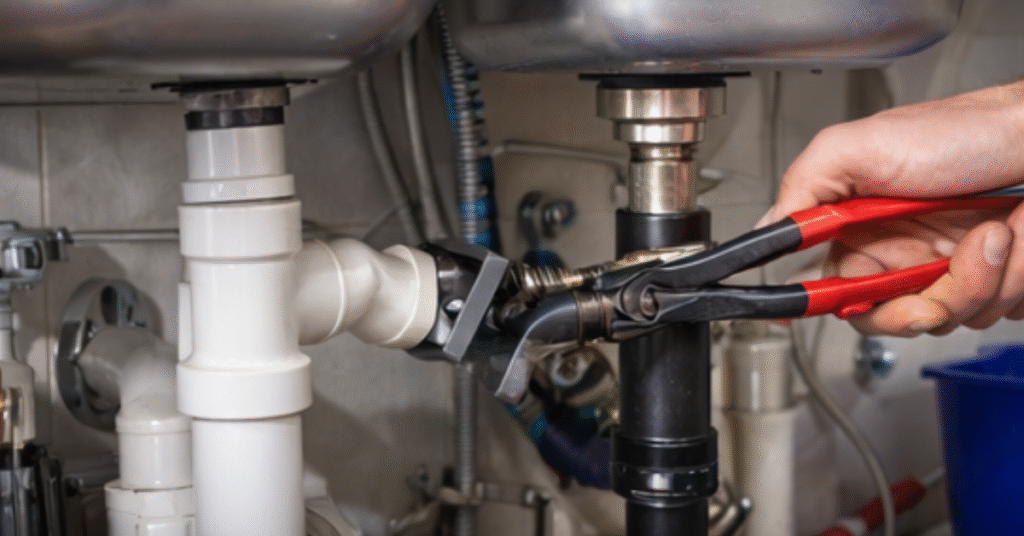
Backflow may sound like a minor inconvenience, but it can have serious health implications and cause costly damage to your plumbing system. That’s why the City of Seattle and the Washington State Department of Health have strict regulations regarding backflow prevention—especially in homes and businesses connected to the public water supply.
If you’re a homeowner, landlord, or business owner in Seattle, you might be asking:
“Do I really need a backflow preventer?”
The short answer? Probably yes. Let’s walk through what backflow is, what Seattle requires, and how Einstein Pros Seattle can help ensure your plumbing system is safe and compliant.
🔄 What Is Backflow and Why Is It Dangerous?
Backflow happens when water flows in the reverse direction—from your pipes back into the public water system. This reversal can occur due to a drop in water pressure (back siphonage) or higher pressure in your system than the city’s mainline (back pressure).
If backflow occurs, it can carry contaminants like pesticides, fertilizers, or sewage into the drinking water supply, posing a serious health risk to your household and neighborhood.
🏙️ What Seattle Plumbing Code Says About Backflow Preventers
The Seattle Department of Construction and Inspections (SDCI) and Seattle Public Utilities (SPU) enforce backflow regulations under Seattle Plumbing Code Chapter 15, which is based on Washington State Uniform Plumbing Code (UPC) and national safety standards.
Seattle’s rules require backflow prevention devices in:
- Irrigation systems
- Fire sprinkler systems
- Commercial properties
- Multifamily buildings
- Any residential property with potential cross-connections
(such as private wells, boilers, or hot tubs connected to your water line)
According to Seattle Public Utilities’ Cross-Connection Control Program, all devices must be installed, tested annually, and maintained by certified professionals.
🏠 Do Seattle Homeowners Need One?
If you live in a single-family home without special systems (like a well or irrigation system), you might not need a dedicated backflow preventer. However, most Seattle homes with in-ground sprinklers, boilers, or hot tubs connected to plumbing lines do require a testable backflow prevention assembly.
Some common types of backflow preventers Seattle residents may need include:
- Double Check Valve Assembly (DCVA) – Used for low hazard residential sprinkler systems
- Reduced Pressure Zone Assembly (RPZA) – Used for high-hazard applications like boilers or chemical use
- Atmospheric Vacuum Breaker (AVB) – Found in outdoor spigots or hose bibs
✅ How to Stay Compliant in Seattle
Seattle’s regulations require that:
- Backflow preventers be installed by certified professionals
- Annual testing is performed by a state-certified backflow assembly tester
- Test results are submitted to Seattle Public Utilities
Failure to comply may result in:
- Fines
- Water shut-off
- Liability for contamination or damage
🔧 Why You Shouldn’t DIY It
Even if you’re handy, backflow preventers are not DIY-friendly. Installing the wrong device or failing to meet code can result in serious plumbing violations. Plus, Seattle requires a state-certified plumber to handle installation and testing.
That’s where Einstein Pros Seattle comes in. We’re fully licensed, experienced, and understand Seattle’s backflow regulations inside and out.
We offer:
- Professional installation of the right backflow device for your home or business
- Annual testing and documentation submission
- Full inspections of your plumbing system for cross-connection risks
- Fast, friendly service from trusted local plumbers
📋 Final Thoughts
Yes—you probably do need a backflow preventer if your Seattle property has irrigation, a fire suppression system, a boiler, or any other appliance that could create a cross-connection. Even if your system seems simple, it’s worth having a professional evaluate it.
A small investment in prevention now could save you from a plumbing disaster or contamination issue down the road.
🔗 Need backflow help in Seattle? Contact Einstein Pros Seattle Plumbing today for expert advice, installation, and compliance testing.