
Seattle’s damp autumn weather is beautiful—but it can also be a perfect breeding ground for mildew in hidden places like under-sink cabinets. While mildew might seem like a small cosmetic nuisance, it can be a sign of excess moisture, potential plumbing issues, and even health risks for your household.
As local plumbing professionals, Einstein Pros Seattle Plumbing knows exactly how moisture sneaks into those dark, enclosed cabinet spaces—and more importantly—how to stop it. Let’s walk through what causes under-sink mildew, how to eliminate it, and ways to prevent it from coming back.
Why Under-Sink Cabinets Are Mildew Magnets
Your kitchen and bathroom sinks are areas where water use is constant, which means leaks or condensation can easily go unnoticed. Here’s why under-sink cabinets are particularly vulnerable in Seattle’s damp climate:
- Poor ventilation – Closed cabinet doors trap humidity.
- Hidden leaks – Small drips from supply lines or the faucet base can keep the wood damp.
- Condensation – Warm water running through cold pipes creates moisture droplets.
- Absorbent materials – Particleboard or wood absorbs water quickly, encouraging mildew growth.
Even without visible puddles, the moist environment inside the cabinet is enough for mildew spores to thrive.
Signs of Mildew in Under-Sink Cabinets
Early detection can save you from costly repairs. Look for these warning signs:
- Musty odor when you open the cabinet.
- Discoloration—gray, black, or green patches on the wood or cabinet lining.
- Warped or softened wood indicating moisture penetration.
- Peeling paint or bubbling laminate from prolonged dampness.
If you notice any of these, take action immediately to stop mildew from spreading.
Steps to Remove Existing Mildew
Before prevention, you need to eliminate the problem at its source.
Step 1 – Clear and Inspect
Remove all stored items and check every surface for signs of mildew or leaks. Look closely at pipe joints, shut-off valves, and the underside of the sink.
Step 2 – Address the Moisture Source
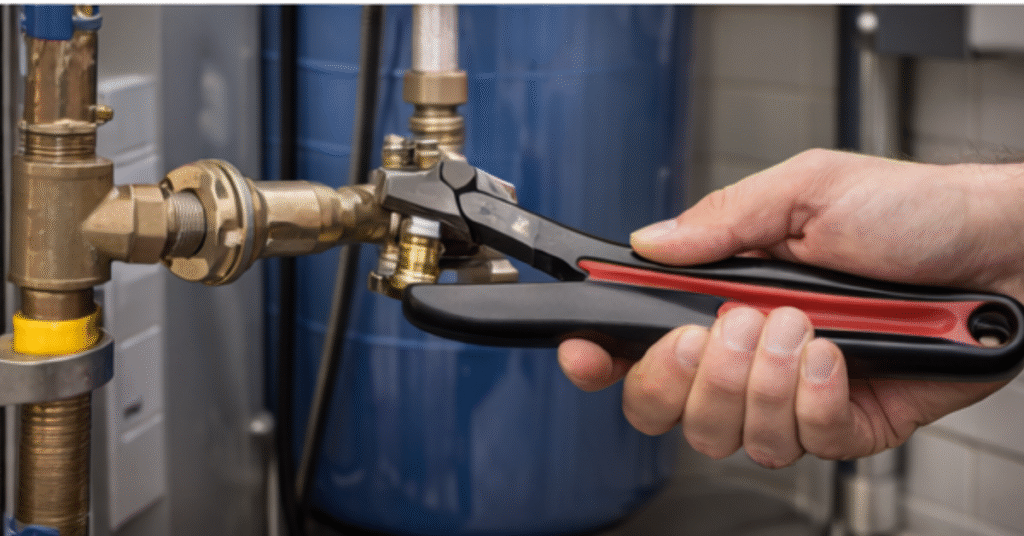
Mildew removal is pointless if moisture continues to seep in. Tighten loose fittings, replace worn washers, or schedule a Seattle plumbing leak repair service with Einstein Pros if you suspect deeper issues.
Step 3 – Clean Thoroughly
Mix a solution of one part white vinegar to one part water, or use a mild commercial mildew remover. Wipe down all affected surfaces, scrubbing gently with a brush to remove spores.
Step 4 – Dry Completely
Leave the cabinet doors open and use a small fan to speed up drying. Mildew thrives in dampness—so getting everything completely dry is key.
Preventing Mildew in Under-Sink Cabinets
Once the mildew is gone, prevention is your best defense.
1. Fix Leaks Immediately
A single drip can create an environment for mildew. Regularly check your supply lines and drain connections, especially after heavy use.
2. Improve Airflow
Leave cabinet doors open for an hour after running hot water, or install small vent panels to allow moisture to escape naturally.
3. Use a Moisture Barrier
Place a waterproof mat or liner on the cabinet floor. This not only protects wood from small spills but also makes cleanup easier.
4. Install a Leak Detection Sensor
Water leak sensors send alerts to your phone if moisture is detected—an affordable investment that can save you from mildew and major water damage.
5. Control Humidity Levels
If your home’s humidity stays high, consider using a portable dehumidifier in nearby rooms.
When to Call a Professional
Sometimes mildew is a symptom of a bigger plumbing problem—like a slow drain leak inside the wall, a faulty sink seal, or corroded pipes. If you’ve cleaned and dried your under-sink area but mildew keeps coming back, it’s time for professional help.
The Einstein Pros Seattle Plumbing team can inspect your plumbing, locate hidden leaks, and repair any issues to ensure your home stays dry and mildew-free.
Why Choose Einstein Pros
- Local Seattle experience – We understand the challenges of the Pacific Northwest’s damp climate.
- Comprehensive services – From leak detection to pipe replacement, we handle it all in-house.
- Customer-focused approach – We explain your options clearly and help you choose the most cost-effective solution.
When it comes to keeping your home’s plumbing safe from moisture damage, working with experienced professionals makes all the difference.
Final Thoughts
Under-sink mildew might seem like a small annoyance, but in a damp city like Seattle, it can quickly turn into a recurring problem—or worse, a sign of a hidden leak. By cleaning affected areas, fixing moisture sources, and improving ventilation, you can protect your cabinets and your health.
And if the problem runs deeper than surface mildew, Einstein Pros Seattle Plumbing is here to help with expert inspections, repairs, and preventative solutions—keeping your home fresh and dry this season.
Sources: