
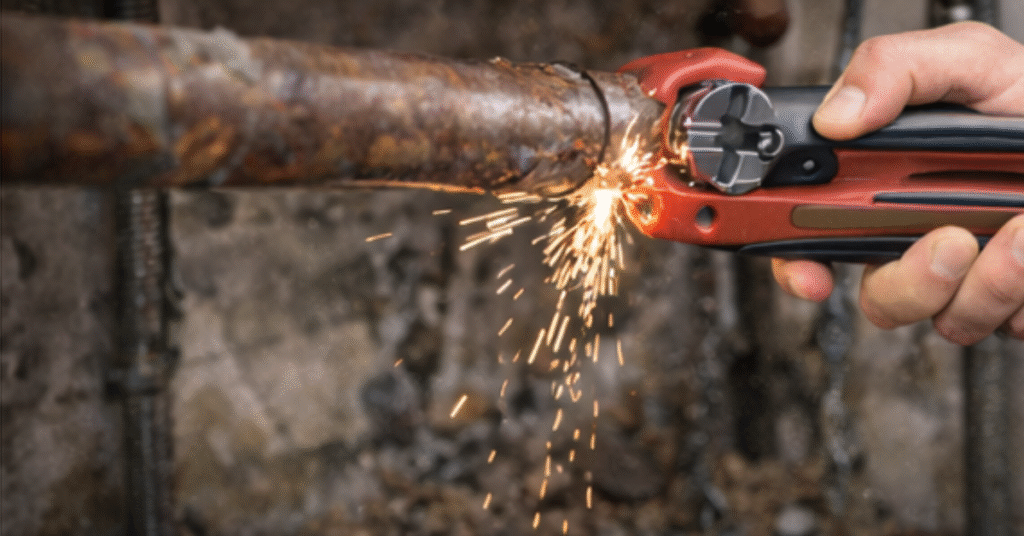
A burst pipe can turn your Seattle home into a costly disaster within minutes. Between water damage, insurance paperwork, and the stress of cleanup, it’s easy to feel overwhelmed. This guide from Einstein Pros — Seattle’s trusted plumbing and home service experts — breaks down exactly what to do after a pipe bursts, how to minimize damage, and how to handle your insurance claim the right way.
1. Shut Off the Main Water Supply Immediately
The first and most critical step is to stop the flow of water. Every Seattle homeowner should know where their main water shut-off valve is located — typically near the perimeter of the house or basement wall. Turning it off immediately prevents thousands of gallons of water from flooding your property.
If you’re unsure where your shut-off is, refer to Seattle Public Utilities — Emergencies for a quick visual reference. After the valve is closed, turn off your water heater and any connected systems to avoid damage or pressure buildup.
2. Turn Off the Electricity in Affected Areas
Water and electricity are a dangerous mix. If flooding has reached electrical outlets, switches, or appliances, turn off power to that area from your circuit breaker. Never step into standing water near outlets until power is confirmed off.
For serious electrical concerns, contact Seattle City Light or a licensed electrician to ensure your home is safe before proceeding with cleanup.
3. Document the Damage for Insurance Purposes
Before you start mopping or removing anything, document every detail of the damage. Take high-resolution photos and videos of:
- Burst pipes and leaks
- Affected walls, floors, and ceilings
- Damaged furniture, appliances, or personal belongings
Keep all photos organized by date and room. These will serve as proof during your insurance claim.
4. Call Your Home Insurance Provider Immediately
Once the situation is under control, contact your insurance company to start the claims process. Explain that a pipe burst and caused water damage. Many insurers require prompt reporting within 24–48 hours.
Provide your documentation, receipts, and details of any emergency repairs performed to stop active leaks. Some policies cover both the pipe repair and the resulting water damage, while others only cover the damage, not the pipe itself.
You can also refer to the Hanover Insurance guide — What to Do When a Pipe Bursts for general steps on communicating with insurers.
5. Begin Water Extraction and Drying Immediately
The longer water sits, the greater the chance of structural damage and mold growth. Use wet/dry vacuums, towels, and dehumidifiers to remove as much standing water as possible. Open windows and doors if weather allows, or use fans to promote airflow.
For larger floods, professional drying and mitigation services may be needed to fully restore walls and subfloors. Mold can develop within 24–48 hours, so prompt drying is essential.
To learn more about drying and cleanup procedures, review FEMA’s official guide: Protecting Building Utilities from Flood Damage (PDF).
6. Inspect for Structural Damage and Mold Growth
After the water has been removed, inspect your property for structural damage. Check for:
- Soft drywall or warped flooring
- Cracked foundations or shifting baseboards
- Musty smells or visible mold spots
Even minor leaks can compromise your home’s integrity. Schedule a professional inspection and plumbing assessmentthrough Einstein Pros’ Seattle Plumbing Services. Our licensed plumbers can identify hidden damage, perform post-burst inspections, and recommend safe repair options.
7. Schedule Permanent Repairs and Prevent Future Bursts
Once your insurance adjuster has documented the damage, it’s time to make long-term repairs. Replace any damaged pipe sections, insulation, or drywall.
Common reasons pipes burst in Seattle include:
- Freezing temperatures (especially in older homes)
- High water pressure
- Corrosion or aging pipes
- Poor insulation in crawl spaces
8. Update Your Emergency Preparedness Plan
Every Seattle household should have an emergency plumbing plan — especially during winter. Keep key contact numbers handy:
- Einstein Pros 24/7 Emergency Plumbing
- Seattle Public Utilities Emergency Line
- Insurance agent contact information
Store this list in both your phone and on paper in an accessible location.
9. Review and Upgrade Your Insurance Coverage
Finally, after you’ve recovered from the burst pipe incident, review your homeowners’ policy. Confirm whether it includes:
- Sudden water damage coverage
- Mold remediation
- Sewer backup protection
If not, discuss adding these options with your provider before the next cold season.
Key Takeaways
A burst pipe doesn’t have to become a long-term disaster. By acting quickly, documenting everything, and working with trusted local experts, you can minimize both costs and stress.
For trusted Seattle plumbing assistance and rapid emergency service, visit Einstein Pros — Seattle Plumbing or call us 24/7 for expert help when it matters most.
Sources: