
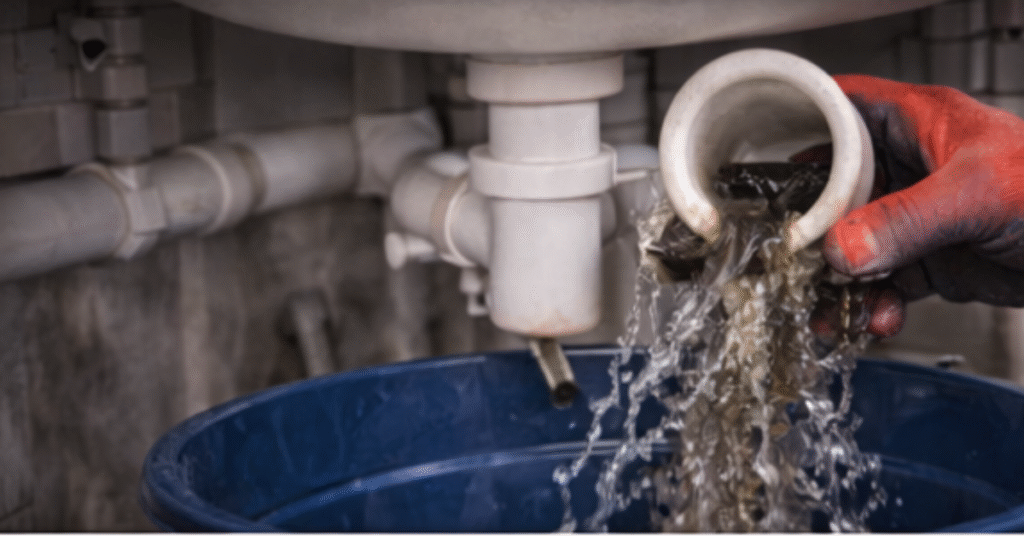
Winter in the Pacific Northwest brings a unique mix of cold temperatures, heavy rainfall, and fluctuating weather patterns. While the region may not experience prolonged deep freezes like the Midwest, even short cold snaps can cause serious plumbing issues—especially in Seattle-area homes that aren’t properly winterized.
Understanding the most common winter plumbing problems can help homeowners take preventative steps before damage occurs. Below, we break down the biggest winter plumbing risks in the Pacific Northwest and explain how to protect your home effectively.
For professional inspections, winter prep, and emergency plumbing support, homeowners can rely on trusted local experts like Einstein Pros Seattle Plumbing.
1. Frozen Pipes
Frozen pipes are one of the most common and destructive winter plumbing problems in the Pacific Northwest. Pipes located in crawl spaces, garages, exterior walls, and unheated areas are especially vulnerable during overnight temperature drops.
When water freezes, it expands—placing extreme pressure on pipes. This pressure can cause pipes to crack or burst, leading to extensive water damage once temperatures rise.
According to guidance from Angi, even brief exposure to freezing temperatures can cause pipes to fail if they are uninsulated or exposed to cold air.
Source: Angi – Winter Plumbing Tips
https://www.angi.com/articles/winter-plumbing-tips.htm
Prevention tips:
- Insulate exposed pipes
- Seal air leaks near plumbing
- Keep indoor temperatures above 55°F
- Allow faucets to drip during extreme cold
2. Burst Pipes After Thawing
Many homeowners don’t realize their pipes are damaged until after temperatures rise. A pipe may freeze without bursting immediately—but once the ice thaws, cracks release water rapidly.
The Federal Emergency Management Agency (FEMA) notes that burst pipes are a leading cause of winter-related home water damage in colder months.
Source: FEMA – Prevent Frozen Pipes
https://www.ready.gov/winter-weather
Early detection is critical. If you notice reduced water pressure, unusual noises, or moisture after a cold snap, it’s important to shut off the main water supply and contact a professional plumber immediately.
3. Water Heater Strain and Failure
Cold winter temperatures force water heaters to work harder, especially in households using more hot water for showers, heating systems, and laundry. In the Pacific Northwest, many water heaters are installed in garages or basements that experience temperature fluctuations.
The U.S. Department of Energy explains that colder incoming water requires more energy to heat, increasing wear on heating elements and tanks.
Source: U.S. Department of Energy – Water Heating
https://www.energy.gov/energysaver/water-heating
Common winter water heater issues include:
- Inconsistent hot water
- Sediment buildup
- Reduced efficiency
- Complete system failure
Routine maintenance and inspections can help extend the lifespan of your unit and prevent sudden breakdowns during peak winter demand.
4. Sewer Line Backups from Heavy Rain
Unlike colder regions, the Pacific Northwest experiences significant winter rainfall. Saturated soil, root intrusion, and aging sewer lines can lead to backups during periods of prolonged rain.
The Environmental Protection Agency (EPA) highlights that excess groundwater can overwhelm sewer systems, especially in older neighborhoods.
Source: EPA – Sewer Overflows
Warning signs include:
- Slow drains throughout the house
- Gurgling sounds
- Sewage odors
- Water backing up into tubs or floor drains
Preventative sewer inspections and drain maintenance can significantly reduce the risk of winter backups.
5. Outdoor Faucet and Hose Bib Freezing
Outdoor faucets are frequently overlooked during winter preparation. When water remains trapped in exterior plumbing, freezing temperatures can cause hose bibs or connected interior pipes to burst.
The Insurance Institute for Business & Home Safety recommends disconnecting hoses and installing insulated faucet covers before winter.
Source: IBHS – Protecting Pipes from Freezing
This simple step can prevent costly repairs and interior flooding.
6. Hidden Leaks Made Worse by Cold Weather
Small leaks that go unnoticed during warmer months often worsen in winter. Cold temperatures can cause pipes to contract, loosening joints and seals. When temperatures rise again, those weakened connections may leak significantly.
Unchecked leaks increase water bills, promote mold growth, and weaken structural materials over time. Regular winter plumbing inspections help identify these issues early.
Why Winter Plumbing Maintenance Matters in Seattle
According to the American Society of Home Inspectors, proactive plumbing maintenance is one of the most cost-effective ways to prevent emergency repairs.
Source: ASHI – Plumbing Maintenance
For Seattle-area homeowners, winter plumbing maintenance can:
- Reduce the risk of burst pipes
- Improve water heater efficiency
- Prevent sewer backups
- Protect property value
- Lower repair costs
Scheduling seasonal plumbing checks with Einstein Pros Seattle Plumbing ensures your system is ready to handle winter conditions specific to the Pacific Northwest climate.
Final Thoughts
Winter plumbing problems in the Pacific Northwest are often preventable with proper preparation, insulation, and professional oversight. While freezing temperatures may be short-lived, the damage they cause can be long-lasting and expensive.
By understanding the most common winter plumbing issues—and addressing them early—homeowners can protect their homes, save money, and enjoy peace of mind throughout the colder months.
For expert winter plumbing services, inspections, and emergency support in Seattle, visit https://einsteinprosseattle.com/ and schedule service with trusted local professionals.