
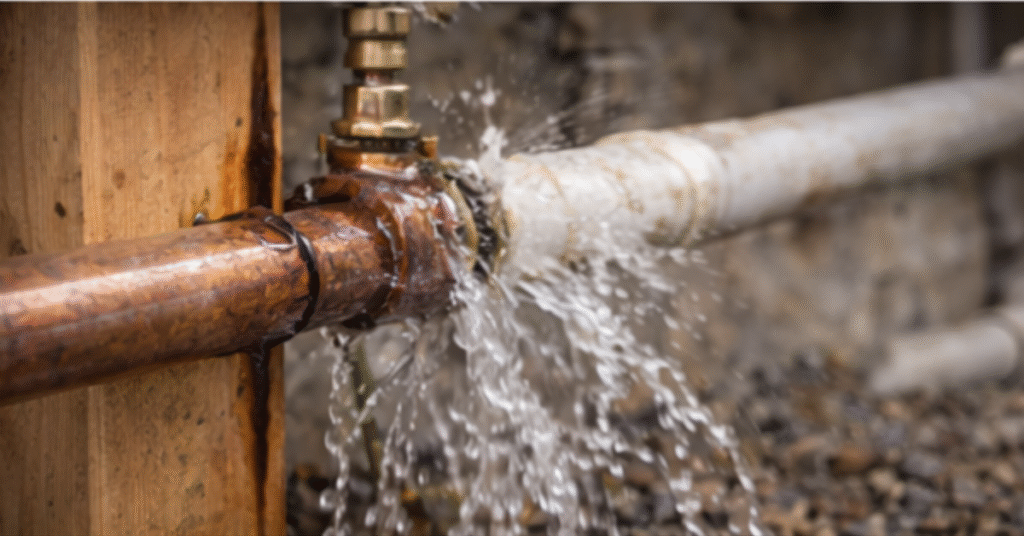
Seattle’s fall storms are famous for their heavy rain, gusty winds, and occasional flooding. While these seasonal downpours bring a cozy atmosphere to the city, they can also cause serious plumbing issues if your home isn’t prepared. From clogged drains to overwhelmed sump pumps, fall weather can quickly turn into an emergency plumbing situation.
At Einstein Pros, we’ve seen firsthand how unprepared plumbing systems can cause costly water damage. The good news? With the right preventive steps, you can dramatically reduce your risk of plumbing disasters this season.
1. Inspect and Clear Your Gutters and Downspouts
One of the most common fall storm problems is clogged gutters. When gutters overflow, water can pool around your foundation and seep into basements or crawl spaces.
- Action Step: Before the storm season hits, clear leaves, twigs, and debris from gutters and downspouts. Ensure downspouts direct water at least 3 feet away from your home’s foundation.
- Why it matters: A well-draining gutter system prevents water from overloading your foundation drainage and reduces strain on your sump pump.
For more seasonal tips, see our guide on preventing basement flooding.
2. Test Your Sump Pump Before Heavy Rains
In many Seattle neighborhoods, sump pumps are a home’s first line of defense during heavy rain. If yours fails, your basement or crawl space can flood in hours.
- Action Step: Pour a bucket of water into the sump pit to ensure the pump turns on and discharges water properly.
- Maintenance Tip: Check for rust, loose electrical connections, and clogged discharge lines. If your pump is over 7 years old, it may be time for a replacement.
Learn more in our sump pump maintenance checklist.
3. Seal Foundation and Basement Leaks
Even small cracks in your home’s foundation can allow water intrusion during storms. Over time, this can cause mold growth and structural damage.
- Action Step: Inspect your basement walls and foundation for visible cracks or damp spots. Apply waterproof sealant where needed.
- Professional Help: For larger cracks or signs of recurring moisture, schedule an inspection with Einstein Pros to ensure your plumbing and drainage systems are functioning optimally.
4. Check Outdoor Drains and Stormwater Systems
Seattle’s tree-lined streets shed plenty of leaves in autumn, and these can block storm drains near your property. A blocked drain means water has nowhere to go—except into your yard or home.
- Action Step: Clear away leaves, dirt, and debris from all exterior drains, including driveway and patio drains.
- Pro Tip: Install drain covers or grates to reduce leaf buildup during heavy rains.
5. Protect Your Sewer Line from Backups
Fall storms can overwhelm municipal sewer systems, causing backflow into homes. This is more than just a mess—it’s a serious health hazard.
- Action Step: If your home has a history of sewer backups, consider installing a backwater valve to prevent sewage from flowing back into your pipes.
- Maintenance Tip: Schedule a professional sewer line inspection once a year to identify blockages or root intrusions before storm season.
See our article on sewer line inspection services for more details.
6. Secure Outdoor Plumbing Fixtures
Hose bibs, irrigation lines, and exterior faucets can be vulnerable during storms. Heavy rain combined with cold snaps can damage exposed pipes.
- Action Step: Disconnect garden hoses, drain irrigation systems, and cover outdoor spigots if temperatures begin to drop.
- Why it matters: While fall in Seattle is milder than winter, sudden cold fronts can still cause unexpected pipe bursts.
7. Prepare for Power Outages
Many plumbing systems—especially sump pumps—rely on electricity. A power outage during a storm can lead to flooding.
- Action Step: Invest in a battery backup system for your sump pump.
- Extra Tip: Keep flashlights, a wet/dry vacuum, and a basic plumbing toolkit ready in case of an emergency.
8. Know Your Main Water Shut-Off Location
In an emergency, the fastest way to stop water damage is to shut off your main water supply. Yet many homeowners don’t know where it is.
- Action Step: Locate your main shut-off valve and ensure it’s accessible. Practice turning it off and on so you’re ready in an emergency.
- Pro Tip: Tag the valve with a visible label so everyone in the household knows its location.
Final Thoughts
Fall storms in Seattle don’t have to mean plumbing headaches. By taking preventive steps—like clearing gutters, testing sump pumps, and inspecting for leaks—you can protect your home from costly water damage.
If you need professional help getting your home storm-ready, the experts at Einstein Pros are here to help. With years of experience in Seattle plumbing, we provide thorough inspections, emergency repairs, and maintenance services designed to keep your home safe and dry—rain or shine.
Sources: