
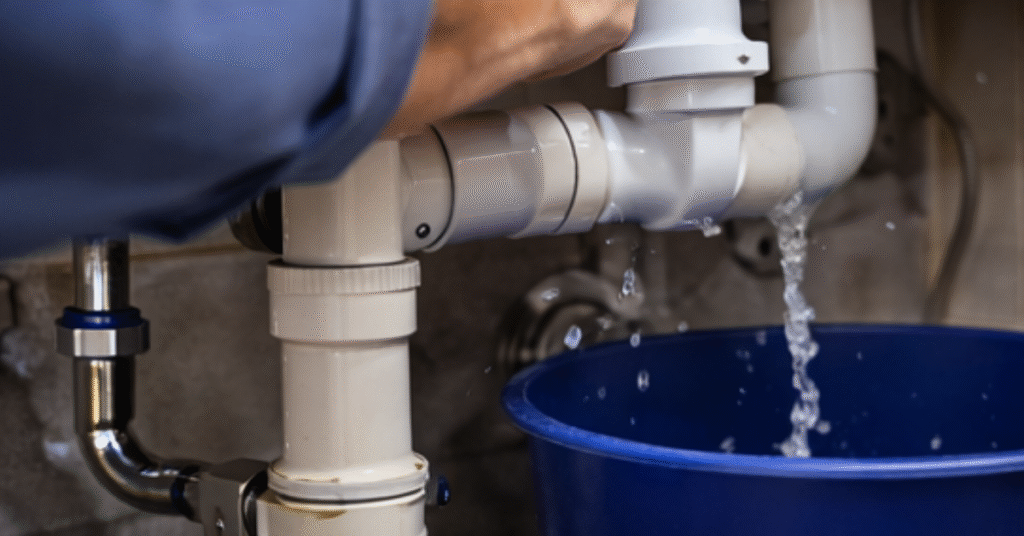
If you’ve ever poured bacon grease or cooking oil down the kitchen sink thinking a quick flush of hot water would solve the problem—think again. In Seattle, where older homes, aging sewer systems, and environmentally conscious regulations intersect, this simple mistake can have costly and damaging consequences.
Here’s why pouring grease down your drain is one of the biggest plumbing mistakes Seattle homeowners can make—and what to do instead.
🛑 What Happens When You Pour Grease Down the Drain
Grease might go down as a liquid, but it won’t stay that way for long. As it cools, it solidifies. This happens inside your pipes and deep in the public sewer lines, eventually forming massive blockages known as fatbergs—a congealed mass of fats, oils, and grease (F.O.G.).
In Seattle’s moderate-to-cool climate, these fats harden even faster, especially during fall and winter. The result? Slow drains, nasty backups, foul odors, and in severe cases, sewage overflow into your home or the environment.
💸 The Cost of a Grease Clog in Seattle
The Seattle Public Utilities (SPU) department spends millions of dollars annually cleaning grease-related blockages out of the city’s sewer system. According to SPU, grease is one of the top causes of sewer backups across the region.
For homeowners, a grease clog can lead to:
- Emergency drain cleaning fees
- Pipe replacement if the buildup is extensive
- Water damage from overflows
- Possible fines if improper disposal causes neighborhood sewer issues
🔗 Learn more about grease disposal rules from Seattle Public Utilities
🌎 Environmental Impact of Improper Grease Disposal
In a city known for its environmental leadership, pouring grease down the drain directly contradicts Seattle’s sustainability goals. Clogged sewer lines can lead to overflows, sending raw sewage into Puget Sound, Lake Washington, and local streams—damaging marine life and contaminating drinking water sources.
That’s why Seattle enforces strict guidelines through programs like FOG (Fats, Oils, Grease) Control, which target both businesses and residential homes.
🧰 What You Should Do With Cooking Grease Instead
Proper grease disposal doesn’t take much effort. Here’s what you can do instead of pouring it down the drain:
- Let it cool and harden in a container (like a can or jar), then throw it in the trash.
- Use paper towels to wipe greasy pans before washing them.
- Collect large amounts of used oil in sealed containers and take it to a local household hazardous waste facilityor drop-off recycling center.
🔗 King County’s Hazardous Waste Program – Where to Dispose of Grease
👨🔧 How Einstein Pros Seattle Can Help
If you suspect your pipes are already affected by grease buildup, don’t wait for a backup. At Einstein Pros Seattle Plumbing, we offer affordable drain cleaning, video inspections, and eco-friendly maintenance solutions to keep your plumbing running smoothly—without chemicals that harm your pipes or the environment.
With our local expertise, we know Seattle’s sewer infrastructure, weather, and water systems better than anyone. Whether you live in Capitol Hill, Ballard, Queen Anne, or South Lake Union, we’re just a call away from solving grease-related clogs fast.
✅ Final Thoughts
Pouring grease down the drain may seem harmless, but in Seattle, it’s a recipe for expensive plumbing problems, sewer backups, and environmental damage. With just a few mindful habits, you can protect your home—and the entire city—from grease-related disasters.
Need help with a slow drain or a suspected grease clog?
👉 Contact Einstein Pros Seattle Plumbing today
We’ll get things flowing again—safely, sustainably, and smart.