
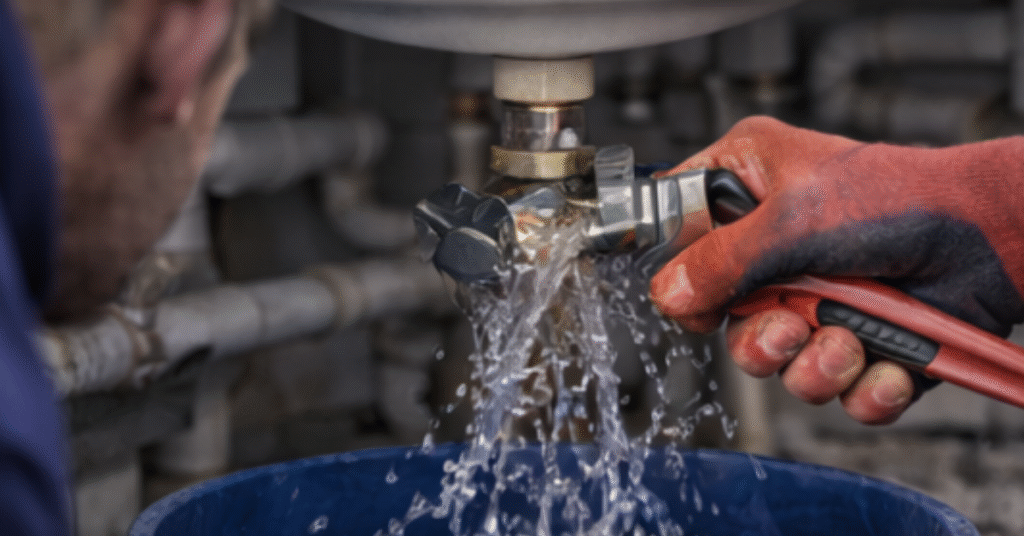
Winter in Seattle can be harsh on your plumbing system. Freezing temperatures, especially in January and February, can cause water in your pipes to freeze, leading to blockages, leaks, or even burst pipes. Knowing what to do when your pipes freeze is critical to preventing costly damage. At Einstein Pros Seattle Plumbing, we specialize in helping homeowners protect and maintain their plumbing systems during the cold months.
Signs That Your Pipes Have Frozen
Recognizing the signs of frozen pipes early is essential. Common indicators include:
- No water flow: Faucets fail to deliver water even when fully open.
- Strange noises: You may hear banging or gurgling from your pipes.
- Frost on exposed pipes: Visible ice may form on pipes in basements, attics, or crawlspaces.
- Water pressure drops: Weak or irregular flow could signal a blockage caused by ice.
Ignoring these signs can lead to severe plumbing emergencies. It’s always best to act quickly. For a detailed seasonal guide, check out Angi’s Winter Plumbing Tips.
Step-by-Step Guide to Safely Thaw Frozen Pipes
If you suspect that your pipes are frozen, follow these safe methods to thaw them:
1. Turn Off the Water Supply
Before attempting to thaw frozen pipes, turn off the main water supply. This prevents water from flooding your home if a pipe bursts during thawing. Knowing your shut-off valve location is crucial for any winter plumbing preparation.
2. Open Faucets
Open the faucet connected to the frozen pipe. This allows water to flow once it starts melting and relieves pressure, helping prevent pipe bursts.
3. Apply Gentle Heat
Use one of these safe heating methods:
- Hair Dryer: Slowly move along the pipe, starting near the faucet and working back toward the blockage.
- Space Heater: Place near the frozen section of pipe, keeping it at a safe distance to avoid fire hazards.
- Heating Pads or Towels: Wrap the frozen area with a warm towel or heating pad.
Never use open flames, such as a blowtorch, as this can easily damage pipes or start a fire.
4. Check Progress Frequently
Monitor the pipe as it thaws to ensure no leaks develop. If water begins to flow, continue heating the pipe until full pressure is restored.
5. Prevent Re-Freezing
Once your pipes are thawed, insulate exposed pipes with foam sleeves or insulation tape. You can also allow a small trickle of water to flow through faucets during extreme cold snaps. More preventive strategies can be found at City of Spokane’s frozen pipe guide.
When to Call Einstein Pros
While minor frozen pipes can often be addressed at home, some situations require professional assistance:
- Pipes have already burst or show visible leaks.
- The frozen pipe is inside a wall or difficult-to-access area.
- You are unsure how to safely thaw without causing damage.
Our team at Einstein Pros Seattle Plumbing has extensive experience in safely thawing pipes, repairing burst lines, and winterizing your home to prevent future emergencies. Attempting to handle complex frozen pipe issues without expertise can lead to significant water damage and costly repairs.
Long-Term Prevention Tips
Preventing frozen pipes is always better than dealing with a plumbing emergency. Here are a few recommendations:
- Insulate Pipes: Foam sleeves or insulation tape for exposed pipes.
- Seal Gaps and Cracks: Prevent cold air from reaching pipes in crawlspaces or attics.
- Maintain Indoor Heat: Keep your home at a minimum of 55°F during winter nights.
- Schedule Winter Inspections: Annual inspections from a trusted Seattle plumber ensure your system is winter-ready.
For more detailed seasonal advice, visit Einstein Pros Winter Prep Guide.
Conclusion
Frozen pipes are one of the most common winter plumbing emergencies in Seattle, but with careful preparation and prompt action, damage can be minimized. Always start by turning off the water, opening faucets, and applying gentle heat. For complex or hard-to-reach frozen pipes, trust Einstein Pros Seattle Plumbing to safely restore your plumbing and provide preventative solutions.
By following these steps, you can protect your home this winter, reduce the risk of water damage, and keep your plumbing running smoothly through Seattle’s coldest months.