
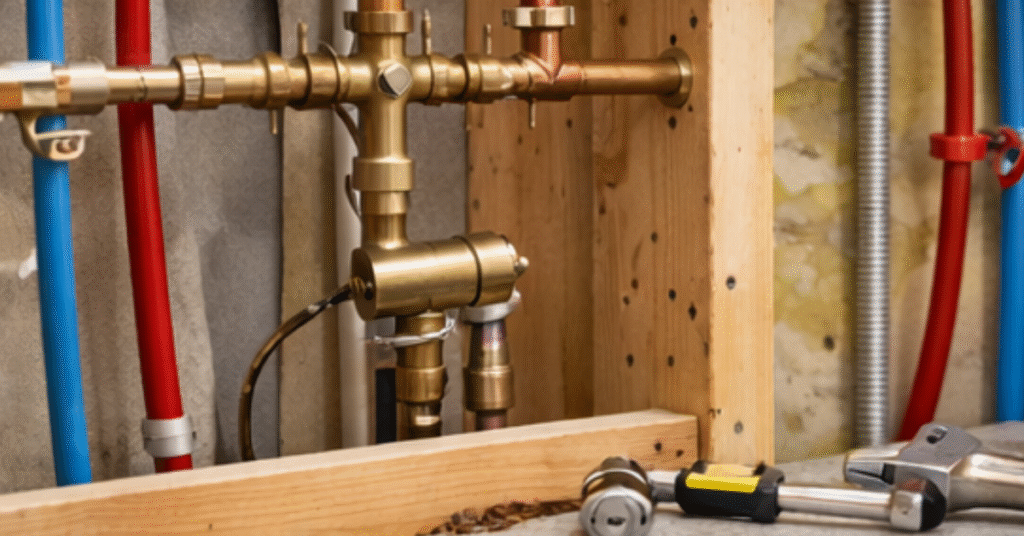
When it comes to plumbing in Seattle, even small mistakes can lead to major code violations, costly repairs, and safety hazards. Whether you’re renovating an older Craftsman in Capitol Hill or building a new home in Ballard, it’s essential to know what the Seattle Plumbing Code requires—and where most homeowners go wrong.
Let’s dive into the most common plumbing code violations we see in Seattle homes, and what you can do to avoid them.
1. Unpermitted Plumbing Work
One of the most frequent code violations in Seattle is performing plumbing work without the required permits. Whether it’s replacing a water heater or moving a drain line, many homeowners (and even handymen) skip permits to save time or money.
🔧 According to the Seattle Department of Construction & Inspections (SDCI), most plumbing projects—like moving fixtures, repiping, or installing backflow prevention—require permits and inspections.
Failure to obtain permits can lead to:
- Code violation fines
- Delayed home sales
- Insurance claim denials
- Mandatory rework at your expense
✅ Pro Tip: Always check with the city or consult with a licensed plumber like Einstein Pros Seattle before starting any project.
2. Improper Venting of Drain Lines
Seattle’s wet climate and older housing stock make proper venting critical. Venting allows sewer gases to escape and ensures wastewater drains properly.
Common venting violations include:
- No vent pipe on new fixtures
- Using undersized vents
- Improper slope on vent pipes
- Connecting vents incorrectly into horizontal drains
Without proper venting, you may experience:
- Slow drains
- Foul odors
- Clogged traps
- Health risks from sewer gas exposure
🏠 Seattle Plumbing Code Section C301 requires all traps to be vented and prohibits air admittance valves in certain applications.
3. Incorrect Slope of Drain Pipes
Another common code violation in Seattle is incorrect pitch or slope on horizontal drain pipes. If a pipe is too flat, solids don’t drain properly. If it’s too steep, water outruns the solids and leaves buildup behind.
Seattle code generally requires:
- A ¼-inch per foot slope for 2.5-inch or smaller pipes
- A ⅛-inch per foot slope for 3-inch or larger pipes
⚠️ Improper slopes lead to frequent clogs, pipe corrosion, and sewer backups—especially during Seattle’s rainy months.
4. Lack of Backflow Prevention Devices
Backflow occurs when contaminated water flows back into the clean water supply, a serious health hazard. In Seattle, cross-connection control is heavily enforced, especially in homes with irrigation systems or boiler connections.
🌊 Seattle Municipal Code requires approved backflow prevention assemblies for specific residential and commercial plumbing systems.
We often see:
- No vacuum breaker on hose bibbs
- Missing check valves on sprinkler systems
- Improper installation of RPZ (reduced pressure zone) devices
✅ Homeowner Tip: Annual testing of backflow assemblies is required by the city and must be performed by a certified professional.
5. Using the Wrong Materials
Seattle’s plumbing code only allows approved materials for certain applications. Violations we frequently encounter include:
- Using flexible rubber hoses for permanent supply lines
- Mixing galvanized and copper pipes without proper dielectric unions (causes corrosion)
- Installing non-rated PVC in areas that require ABS or cast iron
📜 Seattle follows both the UPC (Uniform Plumbing Code) and its own amendments regarding material standards.
6. Inaccessible Cleanouts
All homes in Seattle are required to have accessible cleanouts to allow for drain and sewer maintenance. But we often find cleanouts:
- Hidden behind drywall
- Installed under decks or concrete
- Missing entirely in remodeled homes
This is a major issue during sewer backups or inspections. Cleanouts must be:
- Installed at every change of direction greater than 135°
- Located within 5 feet of the foundation wall on the outside
- Clearly marked and easy to access
Final Thoughts: Avoid Violations with Licensed Pros
Plumbing code exists to protect your home, your health, and your neighbors. Violating these codes—knowingly or not—can lead to long-term damage, legal headaches, and expensive repairs.
If you’re unsure about your home’s plumbing, schedule a code compliance inspection with Einstein Pros Seattle. Our licensed plumbers are familiar with the Seattle Plumbing Code, and we’ll make sure your system is safe, legal, and efficient.
📞 Need Help with a Plumbing Violation?
Einstein Pros Seattle has helped thousands of homeowners fix plumbing code violations and pass city inspections. We offer:
- Licensed, bonded, and insured plumbers
- Full-service repairs and installations
- Emergency plumbing services
- Backflow testing and inspection services
👉 Book an inspection or consultation now.
Sources & References:
- Seattle Department of Construction & Inspections: https://www.seattle.gov/sdci
- Uniform Plumbing Code (UPC): https://www.iapmo.org
- EPA Cross-Connection Guide: https://www.epa.gov
- Washington State Department of Health: https://www.doh.wa.gov