
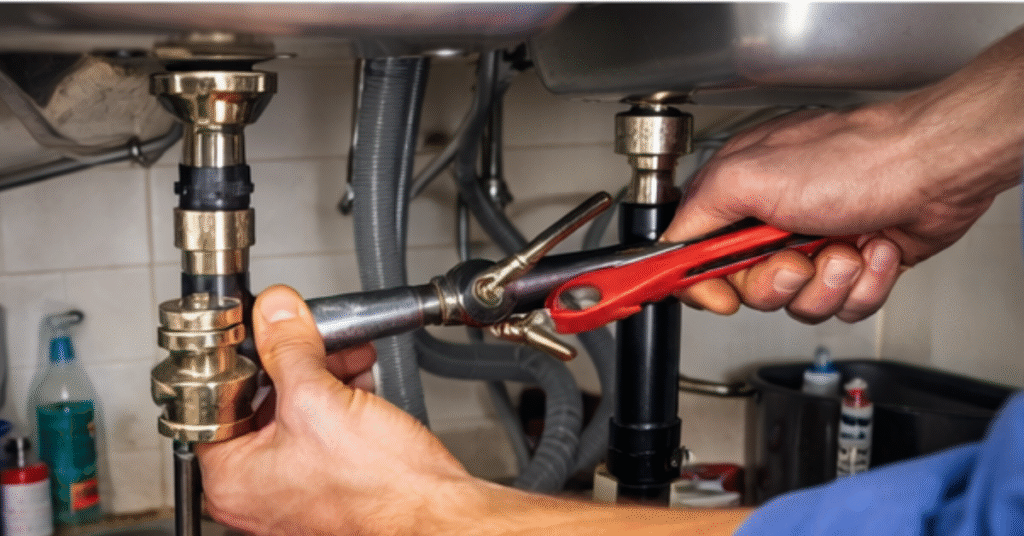
Seattle’s rainy months are famous for their persistent moisture and overcast skies—but for homeowners, they also bring hidden plumbing challenges. One of the most overlooked problems is the condition of galvanized pipes, a common type of plumbing found in older Seattle homes. These pipes, once popular for their durability, can become a ticking time bomb in damp climates like the Pacific Northwest.
If your home still has galvanized plumbing, October is the perfect time to decide whether a replacement is in order—before the heavy rains arrive and plumbing problems escalate.
What Are Galvanized Pipes?
Galvanized pipes are steel pipes coated with a layer of zinc to help prevent corrosion. For decades, they were the go-to plumbing choice because of their strength and relatively low cost. However, the zinc coating eventually wears away, exposing the steel to moisture, which causes rust and scale buildup.
In Seattle’s climate—where the air is humid, and rainfall is frequent—this wear happens faster than in drier regions.
Why Galvanized Pipes Are a Problem in Rainy Seattle
When rainy months arrive, your home’s plumbing faces additional stress:
- Increased water demand – More indoor activities, cooking, and laundry lead to higher water usage.
- Soil moisture shifts – Expanding soil can put pressure on underground plumbing connections.
- Temperature fluctuations – Cold, damp conditions accelerate corrosion.
For galvanized pipes already weakened by rust, these seasonal pressures can trigger leaks, water discoloration, and even burst pipes.
Signs It’s Time to Replace Galvanized Pipes
You don’t have to wait for a plumbing disaster to decide it’s time for a change. Watch for these warning signs:
- Discolored Water – Rust in the pipes turns water brown or yellow.
- Low Water Pressure – Mineral buildup inside galvanized pipes reduces flow.
- Frequent Leaks – Small leaks are often just the start of larger failures.
- Visible Corrosion – If you see flaking, pitting, or rust on exposed pipe sections, it’s a sign the inside is in worse shape.
- Age of the Home – If your home was built before the 1960s, and you haven’t replaced the plumbing, galvanized pipes are likely still present.
Risks of Waiting Too Long
Replacing galvanized pipes before Seattle’s rainy season isn’t just about avoiding inconvenience—it’s about preventing costly damage. Rust and scale buildup can break loose during high-demand months, clogging fixtures and damaging water heaters.
Leaking pipes hidden behind walls or under floors can also create mold problems, especially in Seattle’s damp environment. By the time you notice the symptoms, you may be facing extensive repairs far beyond plumbing work.
The Best Time to Replace Galvanized Pipes
Early fall—right before the heaviest rains—offers a strategic window for pipe replacement. Here’s why:
- Contractor Availability – Plumbing schedules often open up before winter emergencies start.
- Milder Weather – Easier conditions for both indoor and outdoor work.
- Prevention of Emergency Repairs – Tackling the issue now avoids mid-season breakdowns.
Scheduling a replacement with Einstein Pros Seattle Plumbing in October allows your system to be fully ready before the damp season sets in.
Replacement Options
When upgrading from galvanized pipes, you typically have two main choices:
- Copper Piping – Long-lasting, corrosion-resistant, and suitable for most Seattle homes.
- PEX Piping – Flexible, easy to install, and highly resistant to mineral buildup.
The right choice depends on your budget, your home’s structure, and your long-term maintenance goals. Einstein Pros can assess your home and recommend the best material for your needs.
How the Process Works
Replacing galvanized pipes usually involves:
- Inspection – A licensed plumber maps your plumbing system and identifies all galvanized sections.
- Shut-Off & Prep – Water supply is turned off and the work area is prepared.
- Removal – Old pipes are carefully removed to avoid damaging surrounding materials.
- Installation – New pipes are installed and connected.
- Testing – The system is pressure-tested to ensure no leaks.
Long-Term Benefits of Replacing Galvanized Pipes
Making the switch offers several advantages:
- Improved Water Quality – No more rust particles or discoloration.
- Stronger Water Pressure – Reduced mineral buildup means better flow.
- Fewer Leaks – New pipes are more resistant to corrosion.
- Peace of Mind – You won’t worry about pipe bursts in the middle of Seattle’s stormiest nights.
Final Thoughts
If you’ve been putting off replacing your galvanized pipes, October is your opportunity. Waiting until a leak happens—especially during Seattle’s rainy months—can cost far more in repairs, mold remediation, and water damage.
Contact Einstein Pros Seattle Plumbing today to schedule an inspection and ensure your home is ready for the season ahead.
Sources: