
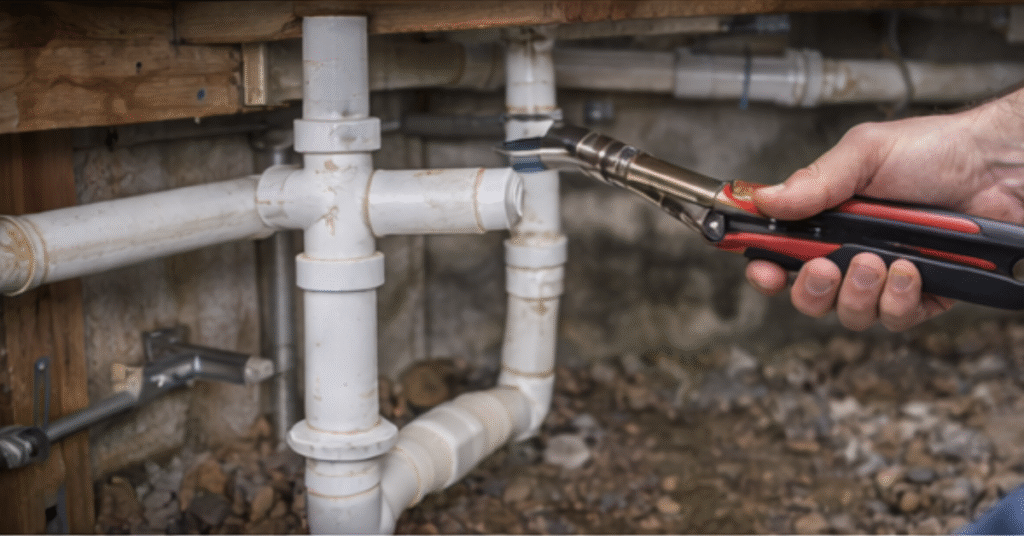
Seattle homeowners know that November marks the start of colder temperatures, increased rainfall, and greater risk of plumbing emergencies. A burst pipe, sewer backup, or frozen line can cause thousands in water damage in just hours. The key to avoiding these disasters lies in early preparation and knowing exactly what to do when an emergency strikes.
This checklist—prepared by the team at Einstein Pros—will guide you through essential preventive steps, emergency tools, and quick response actions every Seattle homeowner should take before winter sets in.
1. Know Your Emergency Contacts
Before an emergency occurs, save key numbers in your phone and post them where everyone in your home can find them.
- Your plumber: Einstein Pros Seattle Plumbing – 24/7 emergency service, licensed and insured.
- Seattle Public Utilities — Emergencies (source)
- City of Seattle Department of Construction & Inspections (SDCI) for permit-related questions (source)
Having these numbers ready ensures you won’t waste precious time searching when every minute matters.
2. Locate and Label Your Main Water Shutoff Valve
When a pipe bursts or a major leak happens, shutting off your water immediately can prevent catastrophic flooding. Every Seattle homeowner should know exactly where their main water shutoff is located.
Most homes have the main shutoff near the perimeter wall—often in the basement, crawl space, or utility closet. Once you locate it, attach a large, clearly visible tag labeled “Main Water Shutoff.”
If you’re unsure how to operate your valve, the Seattle Public Utilities Emergency Guide offers step-by-step directions. Practicing this step before an emergency will give you peace of mind later.
3. Inspect and Insulate Pipes Before the First Frost
Seattle’s early winter temperatures can cause pipes to freeze—especially those in unheated areas like garages, basements, and crawlspaces. Frozen pipes expand and can burst, causing extensive water damage.
- Wrap exposed pipes with foam insulation sleeves or heating tape.
- Disconnect and drain outdoor hoses.
- Close inside valves supplying outdoor spigots.
- Open cabinet doors under sinks to allow warm air to circulate.
For additional guidance, the American Red Cross Winter Preparedness Guide provides expert advice on preventing frozen pipes and thawing them safely.
4. Check Sump Pumps and Drains for Rain Readiness
Seattle’s rainy season is notorious for overwhelming sump pumps and floor drains. Before November storms arrive:
- Test your sump pump by pouring a bucket of water into the pit. Ensure it activates and drains properly.
- Clean leaves and debris from downspouts, gutters, and exterior drains.
- Install a battery backup system for your sump pump in case of power outages.
A functioning sump system keeps basements dry and prevents flooding during heavy rainfall.
5. Prepare an Emergency Plumbing Kit
Every household should have a small, easy-to-reach emergency plumbing kit. Include:
- Adjustable wrench and pliers
- Pipe repair tape or epoxy
- Towels, rags, and buckets
- Flashlight and spare batteries
- Plastic sheeting or tarps for quick leak control
Store your kit near the main shutoff valve. For detailed preparation, review the Red Cross Emergency Kit Checklist and adapt it for plumbing needs.
6. Know What to Do if a Pipe Bursts
If you notice water spraying or leaking suddenly:
- Shut off the main water valve immediately.
- Turn off electricity to the affected area if water is near outlets or wiring.
- Drain the system by turning on cold water taps.
- Call a licensed plumber like Einstein Pros Seattle for emergency service.
- Document damage for insurance purposes (photos, videos, receipts).
The Federal Emergency Management Agency (FEMA) recommends documenting water incidents thoroughly to support insurance claims and identify structural risks.
7. Inspect Your Water Heater for Leaks and Sediment Buildup
Water heaters often fail during cold weather due to sediment buildup or corrosion. To extend lifespan and prevent unexpected leaks:
- Drain one gallon of water from the tank monthly to remove sediment.
- Check for moisture or rust near the base.
- Verify your temperature setting is around 120°F to prevent scalding and reduce pressure.
For step-by-step maintenance, refer to Washington State Department of Health’s guidance on safe hot water systems.
8. Check Sewer Lines and Install Backflow Prevention Devices
Seattle’s older sewer systems can experience backups during heavy rain. Backflow prevention valves protect your home from sewage entering through drains.
- Have a licensed plumber inspect and install a backflow preventer if you don’t already have one.
- Avoid pouring fats, oils, or grease down drains.
- During storms, limit water usage (laundry, showers, etc.) to ease pressure on the system.
Seattle Public Utilities’ Wastewater and Drainage Emergency page provides official recommendations for handling sewage backups safely.
9. Test Alarms and Detectors
Install and test water leak sensors near high-risk areas—under sinks, behind appliances, and around the water heater. Combine these with smoke and carbon monoxide detectors for full home protection.
Smart home systems can send leak alerts directly to your phone, allowing for rapid response even when you’re away.
10. Schedule a Pre-Winter Plumbing Inspection
The best way to avoid an emergency is to catch small issues early. A licensed, experienced professional from Einstein Pros Seattle Plumbing can inspect your pipes, drains, and fixtures to ensure your system is winter-ready.
Routine inspections identify weak joints, leaks, and aging equipment before they lead to expensive damage. Preventive maintenance is always more affordable—and less stressful—than emergency repair.
Final Thoughts
Plumbing emergencies don’t wait for a convenient moment. Preparing your Seattle home now—before freezing temperatures and heavy rain arrive—can save you from serious damage and disruption.
Use this checklist as your step-by-step guide for November and beyond. If you ever face a plumbing emergency, remember that Einstein Pros offers 24/7 emergency plumbing service in Seattle, with trusted, licensed professionals ready to respond fast.
Visit Einstein Pros Seattle Plumbing for reliable service, maintenance plans, and expert local advice.