
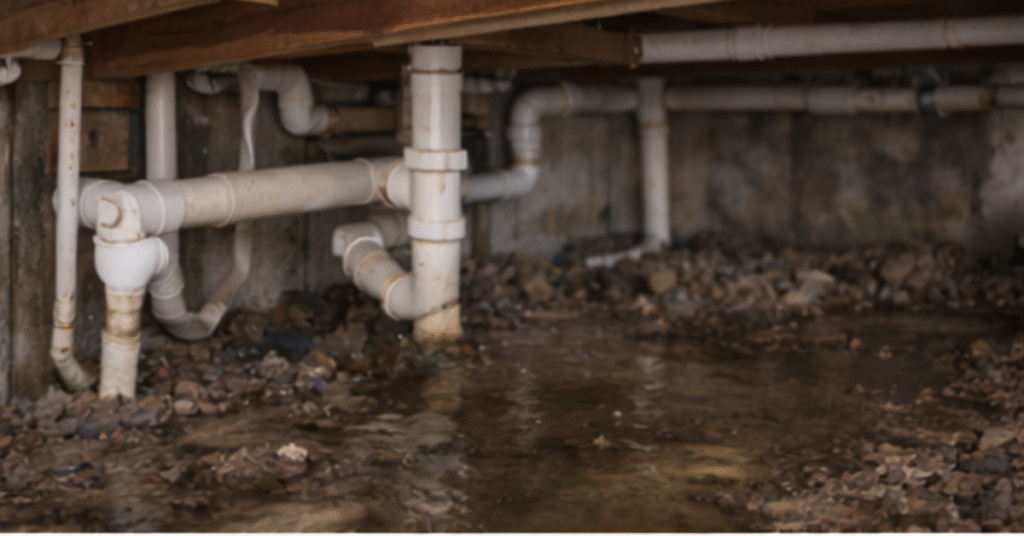
When winter arrives in Seattle, homeowners know that chilly nights and unexpected cold snaps can lead to one of the costliest home emergencies — frozen or burst pipes. While Seattle’s maritime climate is milder than many U.S. cities, sudden temperature dips below freezing still occur every year, often catching homeowners off guard.
At Einstein Pros, our licensed Seattle plumbing experts respond to dozens of emergency calls every winter for burst pipes, flooded basements, and water line breaks — most of which could have been prevented with simple preparation.
This guide will walk you through how to prepare your plumbing system for cold weather, what signs to watch for, and what to do if your pipes do freeze or burst.
Why Frozen Pipes Are a Serious Problem
When water inside your pipes freezes, it expands by about 9%. That pressure is often enough to cause pipes to rupture — especially in uninsulated areas like crawl spaces, basements, garages, or exterior walls.
According to the American Red Cross, frozen pipes are among the top causes of property damage during cold weather. Even a small pipe crack can release hundreds of gallons of water per day, leading to:
- Water damage to drywall, flooring, and insulation
- Mold growth
- Structural issues
- Costly restoration and insurance claims
The good news: With some proactive maintenance and awareness, Seattle homeowners can drastically reduce the risk of plumbing disasters.
1. Identify and Insulate Vulnerable Pipes
Start by walking through your home and noting where pipes are exposed to cold air. Focus on:
- Unheated crawl spaces and basements
- Garages or outdoor hose bibs
- Exterior walls with plumbing lines
- Attics or under-sink cabinets on exterior walls
Use pipe insulation sleeves or foam tubing (available at any hardware store) to cover these vulnerable lines. Don’t forget the joints and bends — they’re especially prone to freezing.
If your home has older plumbing or you’re unsure where your lines run, schedule a Plumbing Inspection with Einstein Pros. Our team can use thermal imaging and line tracing to locate risk points before winter hits.
2. Disconnect and Drain Outdoor Hoses
Outdoor hoses and faucets are a common culprit for frozen pipes. Disconnect and drain all garden hoses before the first freeze. If your home doesn’t have frost-proof spigots, shut off the interior valve leading to the outside faucet and open the spigot to allow any remaining water to drain.
Even a small amount of trapped water in an exterior line can freeze and cause significant damage.
3. Keep a Consistent Indoor Temperature
While it’s tempting to lower the thermostat when you’re away, keeping your home warm is one of the best defenses against frozen pipes.
Maintain a minimum of 55°F (13°C) indoors, especially if you’re traveling. Open cabinet doors under sinks to allow warm air to circulate around exposed pipes, and close garage doors to keep heat in.
If you own a vacation or rental property, consider installing a smart thermostat with remote monitoring so you can maintain safe temperatures even when you’re not there.
4. Seal Air Leaks and Improve Insulation
Cold air entering through gaps and cracks can quickly freeze nearby pipes. Inspect your home for:
- Drafts around windows and doors
- Openings around pipes or electrical wiring
- Unsealed foundation vents
Use caulking or expanding foam sealant to block leaks. According to the U.S. Department of Energy, sealing air leaks improves energy efficiency and reduces the risk of pipe freezing.
If your attic or crawl space insulation is outdated, upgrading it can also make a major difference in keeping pipes warm.
5. Let Faucets Drip During Extreme Cold
When temperatures dip below freezing, a slow trickle of water through your faucets can prevent pressure buildup in your pipes.
Focus on fixtures along exterior walls or farthest from the water main. It doesn’t have to be a heavy flow — even a light drip can keep water moving and prevent ice blockages.
6. Know How to Shut Off Your Main Water Valve
If a pipe does burst, knowing how to quickly shut off your main water valve can minimize damage.
Most Seattle homes have the main shutoff located in the basement, crawl space, or near the water heater. Tag it clearly so everyone in your household knows where it is.
Seattle Public Utilities recommends testing your valve annually to ensure it turns smoothly and works when needed.
7. What to Do if Your Pipes Freeze
If you turn on a faucet and only a trickle comes out, your pipe may be frozen.
Here’s what to do:
- Shut off your main water supply.
- Open nearby faucets to relieve pressure.
- Gently warm the frozen section using a hair dryer, heating pad, or warm towels — never use an open flame.
- Inspect for leaks once thawed.
If you suspect a burst or can’t locate the frozen section, call Einstein Pros Emergency Plumbing right away. Our Seattle team is available 24/7 to respond to plumbing emergencies safely and effectively.
8. Schedule Preventive Maintenance Before Winter
Professional maintenance is the most reliable way to avoid plumbing disasters. During a Winter Plumbing Tune-Up, our experts will:
- Inspect exposed pipes and insulation
- Test shutoff valves
- Check for small leaks or corrosion
- Flush water heaters
- Ensure sump pumps and drains are working properly
This service often costs far less than repairing a single burst pipe — and gives you peace of mind through Seattle’s unpredictable winter weather.
Conclusion
Seattle’s winters may not be the coldest, but the mix of rain, wind, and occasional deep freezes makes pipe preparedness essential. Taking a few hours now to insulate, seal, and inspect your plumbing system can save thousands in damage later.
For reliable, same-day plumbing inspections, emergency repairs, or winterization services, contact Einstein Pros Seattle Plumbing today. Our team of licensed, insured professionals has been serving Pacific Northwest homeowners for over two decades — ensuring your home stays warm, dry, and damage-free all winter long.
Sources: