
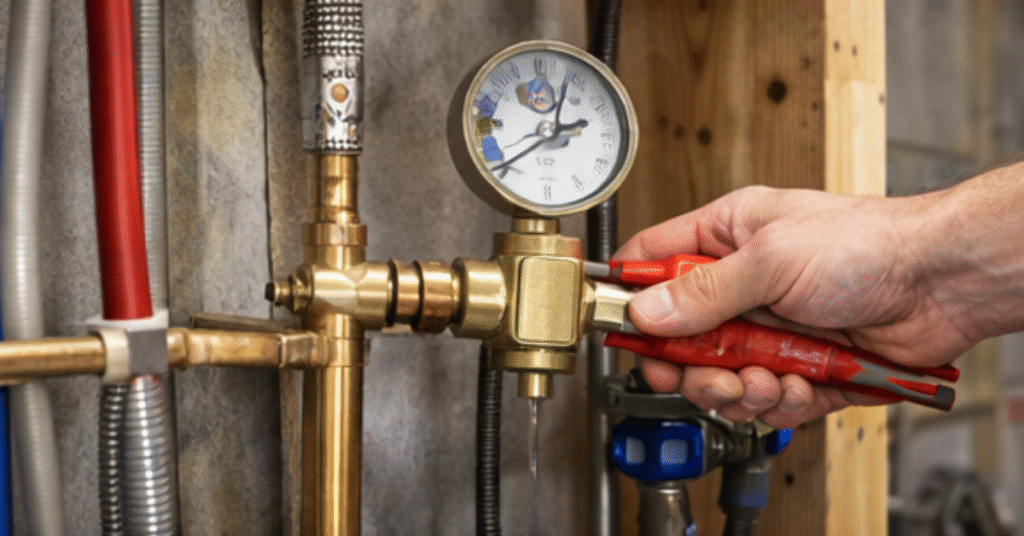
Seattle’s vibrant, rainy climate is part of what makes the city so green and beautiful—but it also presents unique plumbing challenges. One of the most important yet often overlooked aspects of Seattle’s infrastructure is its sewer overflow system, which can have a direct impact on your home’s plumbing.
If you’re a Seattle homeowner or business owner, understanding how the city’s combined sewer system works—and what happens when it overflows—is critical to protecting your property, health, and plumbing investment.
🌧️ What Is a Combined Sewer Overflow (CSO)?
In many older parts of Seattle, including neighborhoods like Capitol Hill, Queen Anne, and Ballard, the sewer system is “combined.” That means both stormwater runoff (rain that drains from streets, roofs, and sidewalks) and wastewater(from toilets, showers, dishwashers, etc.) travel through the same underground pipes.
During dry weather, this system works fine. Wastewater flows to the treatment plant where it’s processed and released safely. But during heavy rain—something Seattle knows well—the volume of water can exceed the system’s capacity.
When that happens, the system is designed to release untreated wastewater and stormwater directly into nearby water bodies like Puget Sound, Lake Washington, and the Duwamish River. This is known as a Combined Sewer Overflow (CSO) event.
✅ According to Seattle Public Utilities, there are still more than 80 CSO outfalls across the city.
🚽 How Sewer Overflow Events Impact Your Home Plumbing
You might wonder: “What does a CSO have to do with my home plumbing?” The answer: more than you think.
1. Backups During Heavy Rain
If the city’s sewer lines are overwhelmed during a storm, it can cause a backflow of wastewater into private plumbing systems. That means sewage can back up into your:
- Bathtubs
- Basement floor drains
- Toilets
- Sinks
Homes in low-lying areas or those with old sewer connections are particularly vulnerable.
2. Increased Pressure on Home Pipes
During peak flows, the pressure within the public sewer main can transfer into your private plumbing lines, increasing the risk of cracks, leaks, or burst pipes—especially in aging Seattle homes.
3. Health Risks
Sewer backups introduce serious biohazards into your home. Raw sewage contains bacteria, viruses, and harmful chemicals. Even a small backup requires immediate professional cleaning and disinfection.
4. Damage to Plumbing Fixtures
When pressure from the sewer system reverses or becomes inconsistent, it can damage your:
- Toilet seals
- Floor drain traps
- Garbage disposals
- Septic pumps (in hybrid setups)
🛡️ How Seattle Homeowners Can Protect Their Plumbing
The good news is, there are proactive steps you can take to prevent or reduce damage during sewer overflow events.
✅ 1. Install a Backwater Valve
A backwater valve (also called a sewer backflow preventer) allows water to flow out of your home but automatically closes if water starts flowing backward from the main sewer line.
Seattle building codes recommend backwater valves for homes in flood-prone or low-elevation areas.
✅ 2. Schedule Routine Sewer Inspections
Over time, roots, debris, and corrosion can block or weaken your home’s sewer line, making it more vulnerable during heavy rains. At Einstein Pros Seattle, we offer video sewer inspections that can detect hidden problems before they become disasters.
✅ 3. Maintain Gutters and Downspouts
By directing stormwater away from your home, you reduce the volume entering the city’s system—and lessen your risk of a local overflow affecting your property.
✅ 4. Use a Sump Pump With Battery Backup
If your basement is prone to flooding, a sump pump can remove excess water. A battery-powered backup ensures it works even during power outages caused by storms.
🌎 Seattle’s Long-Term Plan: Reducing CSOs
Seattle is actively working to reduce CSOs with its Long-Term Control Plan (LTCP) in partnership with King County Wastewater Treatment Division. Projects include:
- Installing large underground storage tanks
- Upgrading treatment plants
- Green stormwater infrastructure like rain gardens and permeable pavement
You can track real-time overflow activity and upcoming projects on the Seattle CSO Map.
🚨 Don’t Wait Until It’s Too Late
Whether you’ve experienced a backup or want to protect your home from future damage, the time to act is before the next storm hits. At Einstein Pros Seattle, our licensed plumbers provide:
- Emergency sewer backup services
- Backwater valve installation
- Sewer camera inspections
- Drain cleaning and maintenance
We’ve helped thousands of Seattle homeowners stay safe and dry, rain or shine.
📞 Schedule Your Sewer Line Inspection Today
Your plumbing is too important to leave to chance—especially in a city as rainy as Seattle. Contact Einstein Pros Seattle now to schedule a sewer system check-up and protect your home from future overflow disasters.
Sources:
EPA WaterSense Program, Winter Plumbing Tips, Seattle Public Utilities – Drainage Maintenance