
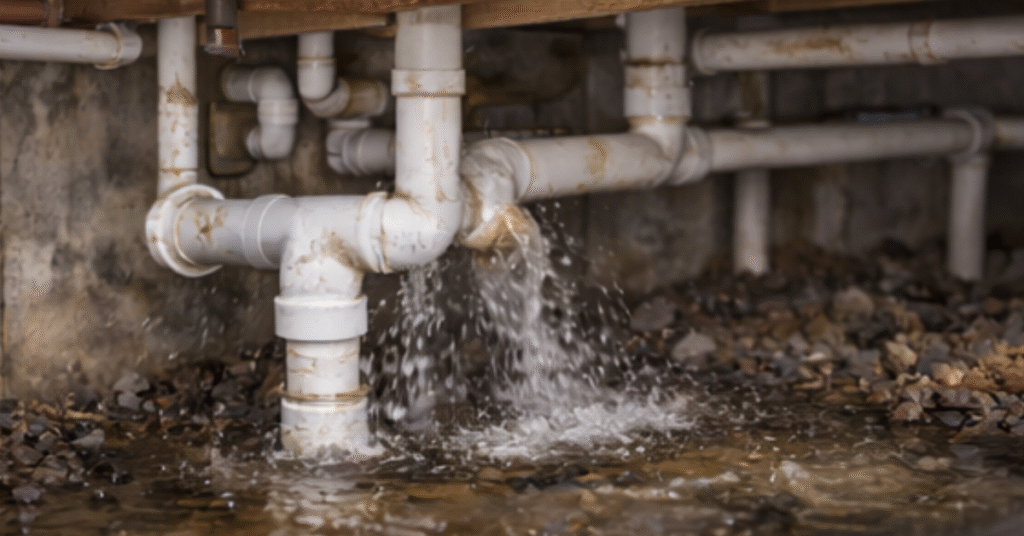
Seattle’s fall season brings crisp air, cozy evenings, and plenty of rainfall. While the weather sets the perfect mood for warm drinks and layered blankets, it can also reveal vulnerabilities in your home’s plumbing. One of the most damaging—and often unnoticed—issues you can face during this time is a hidden wall leak.
These leaks don’t gush water into your home like a burst pipe; instead, they quietly cause structural damage, encourage mold growth, and increase your water bill without you even realizing it. In this guide, we’ll walk you through the most reliable ways to detect hidden wall leaks in your Seattle home and what to do if you find one.
Why Fall in Seattle Makes Wall Leaks More Noticeable
Seattle’s autumn is famous for consistent rainfall and fluctuating temperatures. This combination creates perfect conditions for water intrusion to become apparent:
- Increased Rainfall: More rain means more moisture around your home’s structure, which can seep into walls if there are plumbing vulnerabilities.
- Higher Indoor Humidity: When you close windows to keep the chill out, indoor humidity rises, potentially revealing moisture issues more quickly.
- Seasonal Pipe Stress: Cooler temperatures can cause slight contraction in pipes, potentially worsening existing leaks.
Because fall often amplifies these issues, this is an ideal time to be proactive.
Signs You May Have a Hidden Wall Leak
Spotting a hidden leak requires attention to subtle changes in your home. Here are the most common indicators:
1. Unexplained Increase in Water Bills
If your water usage suddenly spikes without a change in habits, it could mean water is escaping somewhere you can’t see.
(Tip: Check your Seattle utility bill history for usage patterns. Even small changes could signal a problem.)
2. Musty or Damp Odors
A persistent musty smell, especially in one specific room, often points to trapped moisture. This is especially noticeable in fall, when homes are sealed up against the chill.
3. Discoloration or Stains on Walls
Brown, yellow, or even faint gray stains may indicate water damage. In some cases, you might also see bubbling or peeling paint.
4. Mold Growth
Mold thrives in damp, dark places. If you spot mold near baseboards, along wall seams, or behind furniture, investigate further—it might be a symptom of a hidden leak.
5. Soft or Warped Drywall
Press lightly on suspicious areas of your wall. If it feels soft, spongy, or warped, water damage could be lurking underneath.
6. Dripping or Running Water Sounds
Turn off all appliances and faucets. If you still hear water movement, you may have a leak behind the wall.
How to Confirm a Hidden Wall Leak
If you suspect a hidden leak, you can take a few investigative steps before calling for professional help:
- Use a Moisture Meter: Available at most hardware stores, this tool can detect higher-than-normal moisture levels inside walls.
- Check for Plumbing Fixture Proximity: Leaks are often near bathrooms, kitchens, or laundry areas.
- Inspect from the Other Side of the Wall: Sometimes checking an adjoining room can reveal clearer signs of moisture.
- Shut Off All Water and Monitor the Meter: If your meter still moves, water is escaping somewhere in the system.
Why You Shouldn’t Ignore a Hidden Wall Leak
Hidden leaks are not just a minor inconvenience—they can cause significant long-term damage:
- Structural Damage: Prolonged moisture can weaken wooden framing and drywall.
- Mold and Mildew Growth: This can trigger allergies, asthma, and other respiratory issues.
- Higher Utility Bills: Even a small, steady leak wastes gallons of water over time.
- Electrical Hazards: Water seeping into walls can reach wiring, posing a safety risk.
Einstein Pros’ Approach to Wall Leak Detection in Seattle
At Einstein Pros Seattle Plumbing, we understand how quickly a hidden leak can escalate. Our licensed plumbers use advanced leak detection equipment to pinpoint the source without unnecessary wall damage.
From moisture mapping to thermal imaging, our process ensures we locate and fix the problem efficiently—saving you time, money, and stress.
For preventive maintenance, explore our Seattle Plumbing Services page for seasonal check-ups that help detect leaks before they become costly disasters.
Preventing Hidden Wall Leaks in the Future
While you can’t prevent every plumbing issue, you can lower your risk:
- Schedule annual plumbing inspections to catch small problems early.
- Replace old or corroded pipes before they fail.
- Keep gutters and downspouts clear to reduce water buildup near walls.
- Invest in a smart leak detection system that alerts you to moisture changes.
Final Thoughts
Seattle’s cozy fall season shouldn’t be interrupted by the stress of hidden water damage. By knowing the signs, confirming your suspicions, and acting quickly, you can protect your home from costly repairs and health risks.
If you suspect a hidden wall leak, don’t wait for the damage to spread—contact Einstein Pros today for professional diagnosis and repair.
Sources: