
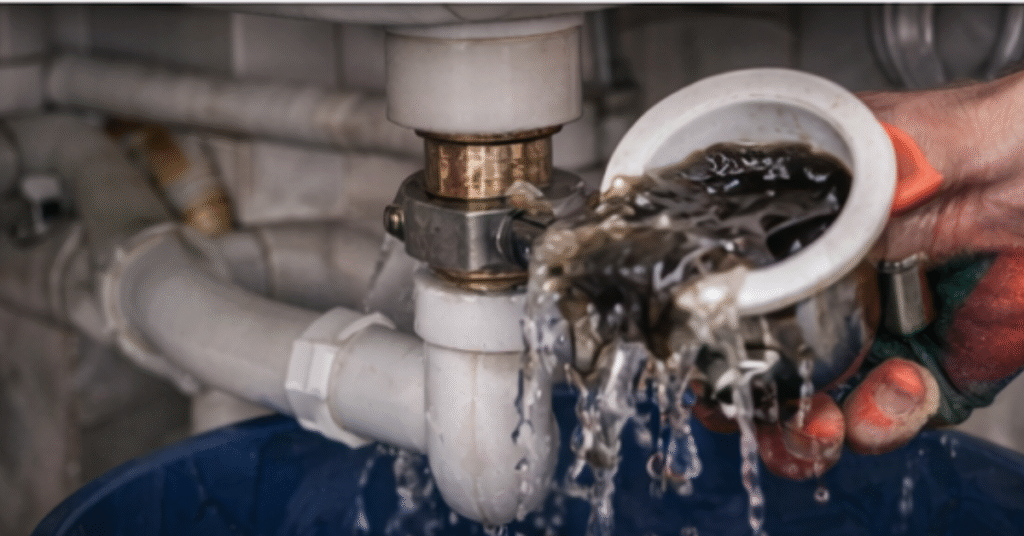
Winter in Washington brings heavy rain, fluctuating temperatures, and occasional freezing conditions that can put serious stress on your home’s plumbing system. While the Pacific Northwest doesn’t experience prolonged deep freezes like some regions, even short cold snaps can cause frozen pipes, leaks, water heater failures, and sewer backups if your plumbing isn’t properly prepared.
For homeowners across Seattle and Western Washington, proactive winter plumbing maintenance is one of the smartest ways to avoid expensive emergency repairs. Below are the most important winter plumbing tips every Washington homeowner should know—along with trusted, authoritative sources to help you understand why these steps matter.
1. Insulate Exposed Pipes Before Temperatures Drop
Pipes located in crawl spaces, basements, garages, and exterior walls are especially vulnerable to freezing during cold weather. When water freezes, it expands, increasing pressure inside the pipe and often leading to cracks or bursts.
Adding pipe insulation or heat tape is one of the most effective preventive measures. According to guidance from Angi, insulating pipes significantly reduces the risk of winter leaks and bursts by maintaining stable temperatures inside the pipe:
https://www.angi.com/articles/6-tips-avoid-costly-winter-plumbing-leak.htm
For Washington homes—especially older properties common in Seattle neighborhoods—this step is critical due to less-insulated crawl spaces.
2. Disconnect and Drain Outdoor Hoses
Leaving garden hoses attached during winter is a common but costly mistake. Water trapped inside hoses or outdoor faucets can freeze and back up into interior pipes, leading to damage inside walls.
The U.S. Environmental Protection Agency (EPA) recommends disconnecting hoses and shutting off outdoor water supplies before winter to prevent freezing-related damage:
https://www.epa.gov/watersense/watersense-outdoor-water-use
Once hoses are disconnected, store them indoors and ensure outdoor faucets are fully drained.
3. Keep Your Home Warm—Even When You’re Away
One of the most overlooked winter plumbing risks occurs when homeowners travel or reduce heating to save energy. Pipes can freeze quickly if indoor temperatures drop too low.
The Centers for Disease Control and Prevention (CDC) advises keeping indoor temperatures at or above 55°F to prevent frozen pipes during cold weather:
https://www.cdc.gov/winter-weather/prevention/index.html
If you’re leaving town, maintaining consistent heat is far less expensive than dealing with burst pipes and water damage.
4. Let Faucets Drip During Cold Snaps
When temperatures approach freezing, allowing faucets to drip slightly can prevent pipes from freezing by relieving pressure and keeping water moving.
Municipal guidance from Washington cities regularly recommends this method during freeze warnings, as moving water freezes less easily than standing water:
https://my.spokanecity.org/news/stories/2025/01/16/tips-to-avoid-frozen-water-pipes/
Focus on faucets connected to exterior walls or plumbing in unheated areas.
5. Know How to Shut Off Your Main Water Valve
If a pipe bursts, shutting off your water supply immediately can significantly reduce damage. Every homeowner should know where their main water shutoff valve is located and how to operate it.
The Insurance Institute for Business & Home Safety (IBHS) emphasizes that quick shutoff response can prevent thousands of dollars in water damage:
https://ibhs.org/prevent-future-losses/water-damage/
Taking a few minutes to locate your valve before winter can save valuable time during an emergency.
6. Schedule a Professional Winter Plumbing Inspection
Many winter plumbing issues develop slowly and go unnoticed until temperatures drop. Small leaks, aging pipes, and minor corrosion can quickly escalate under freezing conditions.
Scheduling a seasonal plumbing inspection with Einstein Pros Seattle Plumbing allows trained professionals to identify vulnerabilities before they become emergencies. Preventive inspections are especially important for Washington homes with older plumbing systems or previous cold-weather issues.
Learn more about winter plumbing preparation directly from Einstein Pros:
https://einsteinprosseattle.com
7. Maintain Your Water Heater for Cold Weather Demand
During winter, hot water usage increases significantly. If your water heater isn’t properly maintained, cold weather can expose sediment buildup, failing components, or reduced efficiency.
The U.S. Department of Energy recommends annual water heater maintenance to improve efficiency and extend system lifespan:
https://www.energy.gov/energysaver/water-heating
Flushing sediment and checking system performance before winter ensures reliable hot water when you need it most.
8. Watch for Early Warning Signs of Freezing Pipes
Catching problems early can prevent major damage. Common warning signs include:
- Reduced water pressure
- Frost on exposed pipes
- Unusual odors from drains
- Strange noises when using fixtures
If you notice any of these symptoms during winter, it’s best to contact a professional immediately to prevent escalation.
Why Winter Plumbing Preparation Matters in Washington
Washington’s climate creates a unique risk profile: cold nights, damp conditions, and aging infrastructure in many neighborhoods. These factors combine to make winter plumbing problems both common and costly.
Proactive preparation reduces emergency repair costs, prevents water damage, and protects your home’s long-term value.
Trust Einstein Pros Seattle Plumbing This Winter
When it comes to winter plumbing in Seattle and the surrounding areas, experience matters. Einstein Pros Seattle Plumbing understands the specific challenges Washington homeowners face and provides reliable, professional solutions designed for local conditions.
Whether you need winterization, inspections, emergency service, or long-term plumbing upgrades, Einstein Pros is committed to keeping your home safe and functional all season long.
Learn more or schedule service here:
https://einsteinprosseattle.com