
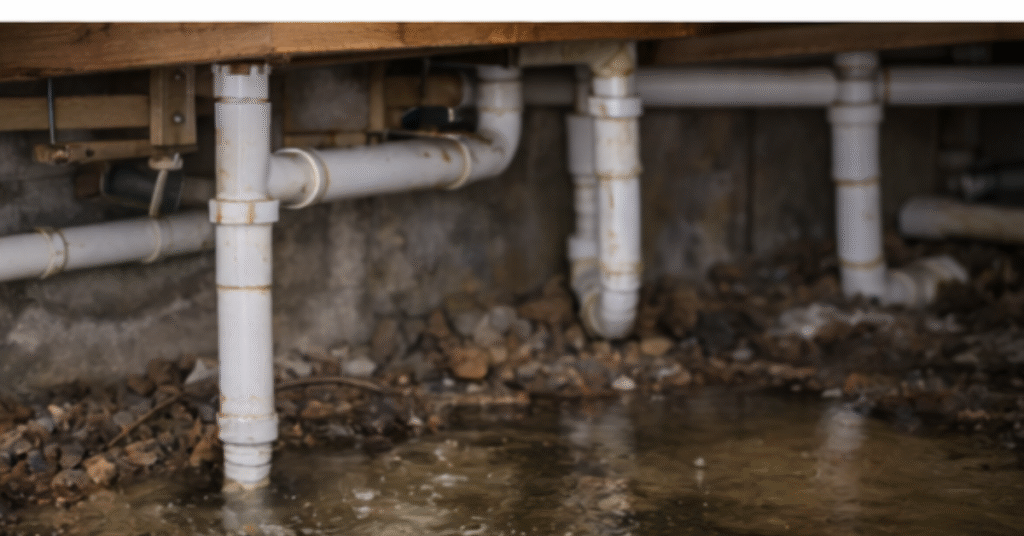
Sewage backups are among the most unpleasant and hazardous plumbing emergencies a Seattle homeowner can face. Besides the foul odor and property damage, raw sewage poses serious health risks from bacteria, viruses, and chemical contaminants. Acting quickly — and correctly — can protect your family’s health, minimize water damage, and prevent costly long-term repairs.
In this guide, you’ll learn the essential safety steps, cleanup procedures, and professional solutions recommended by health and city authorities — and how the Einstein Pros Seattle Plumbing Team can help you recover safely and efficiently.
1. Recognize the Signs of a Sewage Backup
Early detection can save you thousands of dollars. Common warning signs include:
- Gurgling drains or toilets
- Slow-draining sinks, tubs, or showers
- Foul odors coming from floor drains
- Water backing up into lower-level fixtures
- Wet spots or seepage around basement drains
If multiple drains are affected at once, it’s likely a main sewer line blockage — a serious problem that requires immediate professional attention.
For professional diagnosis and 24/7 response, visit Einstein Pros Emergency Plumbing Services.
2. Stop Water Usage Immediately
Once you notice signs of a sewage backup, stop using all plumbing fixtures. That means no flushing toilets, running faucets, or using dishwashers and washing machines. Continuing to use water can worsen the overflow and push contaminated water further into your home.
If it’s safe, turn off the main water valve to prevent additional flow. You can find detailed local instructions for emergency shutoff on the
Seattle Public Utilities Emergency Services page.
3. Prioritize Safety and Evacuate Contaminated Areas
Exposure to sewage-contaminated water can cause illness. According to the Centers for Disease Control and Prevention (CDC) and the Washington State Department of Health, sewage contains bacteria such as E. coli, Salmonella, and Hepatitis A.
Safety first:
- Keep children and pets out of affected areas
- Avoid touching contaminated water without protection
- Turn off electrical power in the flooded zone (if safe to do so)
If you must enter the area, wear waterproof gloves, rubber boots, and a face mask.
4. Ventilate and Contain the Damage
Open windows and doors to improve airflow and reduce moisture. Use fans if electricity is safe to operate.
Block off the contaminated area to prevent tracking sewage through your home — and do not attempt to use household vacuums or shop-vacs on sewage water, as they can spread pathogens and damage equipment.
5. Contact a Licensed Emergency Plumber in Seattle
Sewage backups are not DIY jobs. The contamination, potential gas leaks, and risk of cross-contamination require certified professionals with proper protective equipment and disposal methods.
The Einstein Pros Seattle Emergency Plumbing Team is trained and equipped to:
- Identify and remove blockages in sewer lines
- Perform camera inspections to locate the cause
- Repair or replace damaged pipes
- Disinfect affected plumbing systems
- Provide water extraction and sanitation referrals
Our team responds 24/7 across the Seattle metro area, so you’re never left waiting during an emergency.
6. Handle Cleanup with Care
If the affected area is small (under 10 square feet), you can start limited cleanup while waiting for professionals:
- Use a solution of 1 cup bleach per gallon of water to disinfect hard surfaces
- Dispose of absorbent materials (carpet, cardboard, insulation) safely — they cannot be disinfected
- Wash clothes or linens contaminated with sewage in hot water and detergent
- Do not mix cleaning products (such as ammonia and bleach) — dangerous fumes can result
For larger contamination, professional restoration services are necessary to meet health and building standards.
7. Protect Against Future Sewage Backups
Once the immediate crisis is resolved, prevention is key. The Seattle Public Utilities drainage and wastewater division recommends the following:
- Install a backwater valve: This device prevents sewage from re-entering your home during heavy rains or blockages.
- Regular drain cleaning: Schedule annual maintenance with Einstein Pros Drain Cleaning Services to keep lines clear.
- Avoid flushing wipes, grease, and paper towels — even “flushable” products can clog sewer lines.
- Inspect older pipes for root intrusion or corrosion.
You can also consider a sewer line inspection every 2–3 years, especially if your home is more than 20 years old.
8. Document Everything for Insurance
Take photos and videos of the damage before cleanup begins. Keep receipts for plumbing, cleanup, and repairs — these are essential for homeowner’s insurance claims.
Check your policy to confirm whether it covers sewer backup damage (often a separate rider).
If you need documentation for insurance or post-service inspection, Einstein Pros can provide detailed service reports upon request.
Final Thoughts: Stay Prepared and Informed
Sewage backups can happen suddenly, especially in Seattle’s wet season when heavy rainfall overwhelms the city’s combined sewer system. Knowing what to do in the first 30 minutes — and having a trusted professional on call — can make the difference between a minor incident and a major health hazard.
If you’re dealing with a sewage backup or want to prevent one, contact Einstein Pros Seattle Emergency Plumbingtoday. Our licensed plumbers are available 24/7, delivering fast, safe, and compliant cleanup solutions across the greater Seattle area.