
Seattle’s rainy weather, fluctuating temperatures, and older housing stock make plumbing emergencies a year-round concern. From sudden leaks to frozen pipes, having the right tools on hand can mean the difference between a minor inconvenience and a major disaster.
At Einstein Pros, we’ve spent decades helping Seattle homeowners handle plumbing emergencies quickly and efficiently. While nothing replaces the skill of a licensed professional, the right set of tools can help you minimize damage and stay safe while waiting for expert help.
In this guide, we’ll cover the seven essential plumbing emergency tools every Seattle homeowner should own — plus practical tips on when and how to use them.
1. Adjustable Wrench
An adjustable wrench is one of the most versatile tools in any homeowner’s emergency kit. It’s essential for tightening or loosening pipe fittings, nuts, and bolts, especially on sinks and toilet connections.
When a leak occurs under your sink or near a water supply line, shutting off the connection quickly with a wrench can prevent gallons of water from spilling into your home.
Pro tip: Keep two wrenches of different sizes — one for standard plumbing nuts and another for larger fixtures like water heaters.
Resource: Seattle Public Utilities — Emergencies provides contact information for reporting water issues and managing emergencies.
2. Plunger (Cup and Flange)
Seattle’s older neighborhoods, such as Ballard and Capitol Hill, often have vintage plumbing systems that are prone to backups. That’s where a plunger becomes your first line of defense.
There are two types to keep handy:
- Cup plunger — for sinks, tubs, and flat surfaces.
- Flange plunger — designed for toilets, creating a tight seal for effective suction.
Regular plungers are useful for small blockages, but persistent or frequent clogs may indicate a deeper problem in your pipes — one best left to professional diagnostics.
3. Pipe Wrench
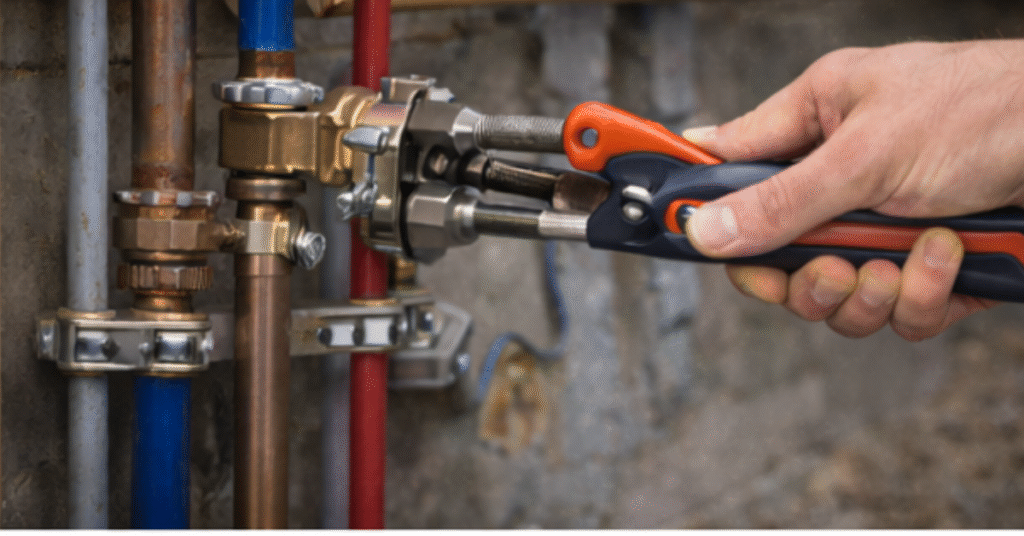
A pipe wrench provides the leverage needed to loosen stubborn pipe joints or fittings. This tool is indispensable when dealing with galvanized steel or iron pipes — common in older Seattle homes.
For added protection, use a cloth or rag between the wrench and the pipe to avoid scratching or damaging finishes.
Safety note: Never over-tighten; excessive pressure can crack or warp fittings.
4. Teflon Tape (Plumber’s Tape)
A simple roll of Teflon tape can prevent leaks before they start. This white, non-sticky tape seals the threads on fittings, ensuring a watertight connection.
Keep it near your water heater, under the kitchen sink, and with your wrench set. It’s an inexpensive but powerful safeguard, especially during sudden repairs in cold Seattle nights when you can’t reach a hardware store.
5. Wet/Dry Vacuum
A wet/dry vacuum is invaluable when dealing with minor flooding, leaks, or burst pipes. It helps quickly remove standing water from basements, bathrooms, and crawl spaces — reducing the risk of structural damage and mold growth.
Seattle homes with basements or sump pumps benefit most from having a compact, portable vacuum ready for heavy rain or plumbing mishaps.
For flood preparedness advice, check FEMA’s Home Flood Safety Guide.
6. Bucket and Absorbent Towels
While simple, a bucket and absorbent towels can be your best friends during a plumbing emergency. Whether catching leaks under a pipe or soaking up water from a burst connection, these tools buy you valuable time before professional help arrives.
Keep a large 5-gallon bucket and a set of old towels in a designated emergency area — ideally near your main water shutoff valve.
Speaking of which, every Seattle homeowner should know how to locate their main water shutoff.
7. Flashlight and Batteries
Plumbing emergencies rarely happen under ideal conditions. A reliable flashlight — preferably waterproof and with extra batteries — helps you navigate dark crawl spaces, basements, and under-sink areas safely.
Seattle’s frequent power outages during winter storms make this tool even more essential. Store it with your plumbing emergency kit, and test it monthly.
Bonus: Know Where Your Shutoff Valves Are
Even with the best tools, you can’t control a plumbing emergency if you don’t know where your shutoff valves are.
Locate your home’s main water shutoff valve, typically found:
- Near the water meter (often in a basement or crawl space).
- On the perimeter wall where water enters your home.
- Or in a street-side box near the property line.
Mark it clearly, and make sure every family member knows how to operate it.
If you’re unsure, schedule a quick home plumbing inspection in Seattle with our licensed technicians. We can help you identify your valves, test your shutoffs, and create a custom emergency response plan.
Why Every Seattle Home Needs These Tools
Seattle’s wet climate and hilly terrain increase the risk of water-related damage. A minor leak can quickly escalate into thousands of dollars in repairs if not handled promptly.
Having these seven tools — and the knowledge to use them safely — empowers you to minimize damage until professional help arrives.
However, if you experience a burst pipe, persistent flooding, or sewage backup, don’t attempt major repairs yourself. Call a trusted, licensed plumber right away.
For fast, reliable assistance, contact Einstein Pros — Seattle Emergency Plumbing Services. We’re available 24/7, serving homeowners across King County with guaranteed workmanship and transparent pricing.
Final Thoughts
Emergencies can happen anytime — but with preparation, they don’t have to become disasters. Build your plumbing emergency kit this week, label your shutoffs, and keep Einstein Pros’ number saved on your phone.
When the unexpected strikes, you’ll be ready to act quickly and protect your Seattle home.
Sources: